
385 - Q1 IRONMAN Training: What Smart Athletes Focus on Now
Follow the Purple Patch Podcast at:
APPLE PODCASTS - SPOTIFY- AMAZON MUSIC - GOOGLE PODCASTS - YOUTUBE
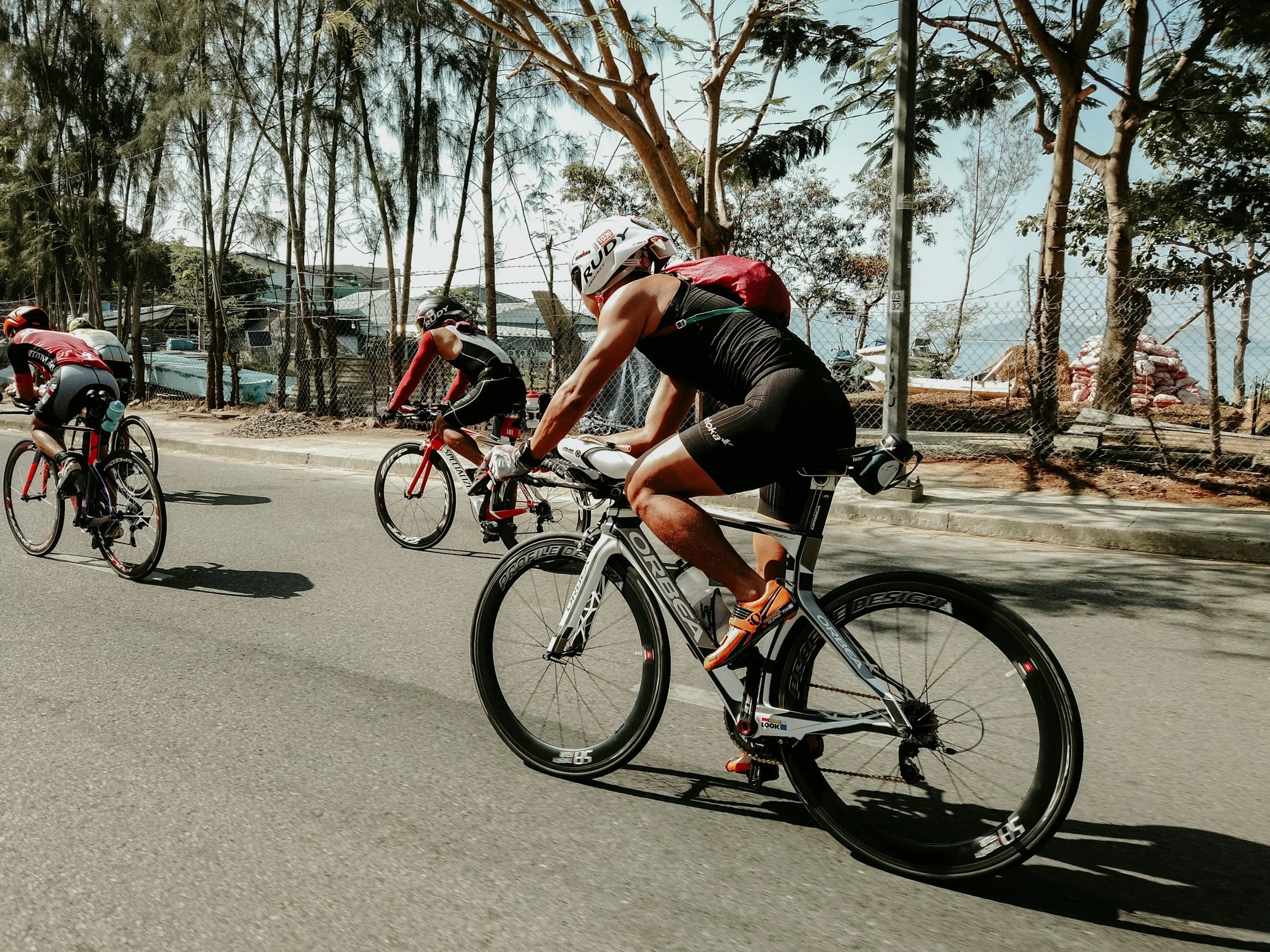
Welcome to the Purple Patch Podcast!
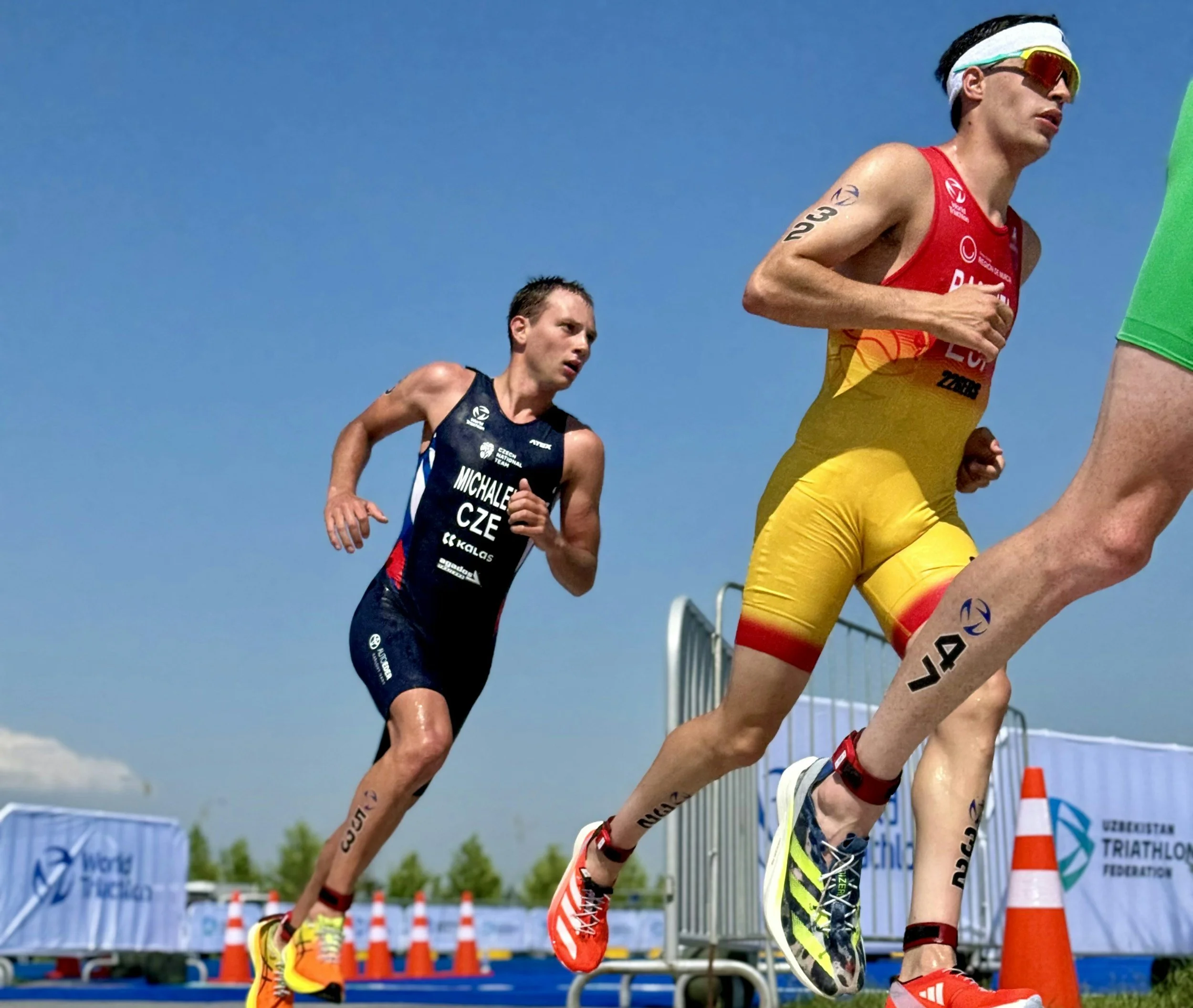
On this episode IRONMAN Master Coach Matt Dixon discusses the Purple Patch coaching program, highlighting limited spots for senior coaching and individual coaching slots. He emphasizes the benefits of the Tri Squad program, which offers personalized, low-cost consultations and a supportive ecosystem. The focus of the episode is on training for Q1 2026, covering swim, bike, run, and strength. Dixon details technical development in swimming, endurance building, and the importance of gears. For cycling, he stresses high-intensity interval training, Terrain Management, and strength endurance. In running, he advocates for high-frequency, easy runs, technical speed intervals, and walk breaks. He also underscores the importance of strength training for performance and injury prevention. If you have any questions about the Purple Patch program, feel free to reach out at info@purplepatchfitness.com.
Episode Timecodes:
:00-2:54 Episode Promo
3:25-6:31 Episode Intro
6:39-25:17 Swim Training in Q1
25:20-36:51 Bike Training in Q1
36:53-41:03 Run Training in Q1
43:01-end Strength Training
Purple Patch and Episode Resources
Check out our world-class coaching and training options:
Book a complementary needs assessment coaching call:
https://calendly.com/coaches-purplepatch/offseason-assessment-call
Tri Squad: https://www.purplepatchfitness.com/squad
1:1 Coaching: https://www.purplepatchfitness.com/11-coached
Run Squad: https://www.purplepatchfitness/com/run-squad
Strength Squad: https://www.purplepatchfitness.com/strength-1
Live & On-Demand Bike Sessions: https://www.purplepatchfitness.com/bike
Explore our training options in detail: https://bit.ly/3XBo1Pi
Live in San Francisco? Explore the Purple Patch Performance Center: https://center.purplepatchfitness.com
Everything you need to know about our methodology:
https://www.purplepatchfitness.com/our-methodology
Amplify your approach to nutrition with Purple Patch + Fuelin
https://www.fuelin.com/purplepatch
Get access to our free training resources, insight-packed newsletter and more at purplepatchfitness.com
TRANSCRIPT
Matt Dixon 00:00
Before we jump into today's episode, I want to take a moment to share something important, especially if you're thinking about your training, your goals, or what the right coaching support is for you, and what it looks like for 2026 as we head into the year, purple patch has a very limited number of treasured spots. Yes, opportunities available in both senior coaching. We have three spots in our senior coaching, and we also have, which is unprecedented for us, five individual one to one coaching slots. They're highly personalized, high touch, and of course, once they're filled, they're gone. We don't tend to lose people very often at purple patch. I also want to share something else just as important, because for many athletes, the best solution isn't actually traditional one to one coaching. It's tri squad. Tri squad is not generic group coaching. It's not just a plan that you get. It's massively personalized, but it's more autonomous in nature. It's a whole ecosystem supported by the entire purple patch coaching team, including myself. To kick things off in January, you get a complimentary coaching call so that we can set things up for you the right way. We build the plan together, and then throughout the season, what a lot of our athletes do is leverage the low cost consultations whenever you need them. And so you choose the coach that connects with the best, you build a relationship akin to having a one to one relationship, but of course, at a fraction of the cost. And if you want a different perspective, or maybe you want to dive into something that's a little bit more specialized, be it nutrition or women's health or swim, you can actually reach out to a different coach within our ecosystem and have a consultation with them. I can't tell you how many athletes tell us this, that they experience better communication, more support and better results than they did with their prior one to one coaching relationship, all at a fraction of the cost.
Matt Dixon 01:53
And by the way, that's not accidental. This is how we designed tri squad. We wanted it to work exactly this way, and the data backs it up, longer relationships, stronger consistency, better outcomes. What more can we ask for, importantly, as well, at least something that makes my heart sing, more enjoyment in the process as well. So the real question is, what program should I join? What's right for me, there's no need to guess. You can set up a complimentary consultation and needs assessment. We want to understand your life, your goals, your prior challenges, and help you get on the optimal path. All you need to do is ping us info@purplepatchfitness.com pressure free, or set up a conversation, see if purplepatch is right for you, and if it is, get you on the right program that sits and fits your needs. All right, it's a good one. Today we're doing New year, new you part two. This is a big one. We're going to dive into swim, bike, run, strength. What our focus is at purple patch right now. Enjoy the show. I'm Matt Dixon, and welcome to the purple patch podcast. The mission of purple patch is to empower and educate every human being to reach their athletic potential. Through the lens of athletic potential, you reach your human potential. The purpose of this podcast is to help time-starved people everywhere integrate sport into life. You
Matt Dixon 03:25
Matt and welcome to the purple patch podcast as ever. We're your host, Matt Dixon, and today, we're doing a little bit of a follow up. I want you to go back a few weeks. We did a New Year special midway through December. We wanted to set the tone and enable you, the listener, the committed athlete, the person that's looking through a performance breakthrough in everything that's important in life, to set the tone, set the lens, and maybe start to plan some big, meaty goals. Well now here we are, and everybody is talking about the new year. So we thought, You know what? Let's dig deeper into our training specifics. One for the athletes here, let's kick off 2026 with maybe some goals and equip you, whether you're listening as a coach and you're setting the tone for your athletes, if you're listening as an athlete and you're wanting to get the pedal to the metal and start to have a sensible build throughout the year, or you're thinking about dipping your toe into new sport. How should you go about it right now, over the course of the coming two to three months, which is a very, very important phase of the year that you set yourself up to maximize the real gains as you start to hit the spring and the summer and so q1 is going to be our focus. We're going to cover how to approach your swim, your bike, your run, and even a little bit around strength training. We're not going to talk about organizational effectiveness when we are going to avoid.
Matt Dixon 05:00
Digging into all of the other critical and very important supporting habits, like sleep, hydration, nutrition, all of these things that we think of with every purple patch athlete. We're just going to think about the nuts and bolts, swim, bike, run, strength. And what I want to do is give a little bit of a reveal of how we think about building our swim sets over the course of January, February, March, and I'm hoping that you can draw from them. I'm even under each of these categories. Going to give you a little bit of an example, one or two sessions that are going to live within the purple patch ecosystem. Our athletes will be doing them over the course of the coming months. So we're going to talk about that, and then finally, we're going to also discuss which I think is very important, something that many athletes have asked me to touch on. So I will, which is a growing trend in endurance training. Matt's adaptive AI generated plans. I want to talk about that, because on the surface they promise great flexibility and customization, but they might actually be stopping you from progressing a little bit, and there's a real harmony that we need to find when we build our relationship, not just across broader life, but in our training as it comes to AI, something that's going to be very important, something that's coming is here, and we need to leverage, but we need to leverage it in the right way. And so for the back part of today's show, I thought we'd just dig into that. Okay, so this is going to give you a sneak peek into everything purple patch as we think about. And I'm going to use this phrase deliberately, base building, practical performance driven and built to fit around real life that is in today's meat and potatoes.
Matt Dixon 06:40
Yes, the meat and potatoes. Very, very simple. Today I get to do something. I must say, I quite like these episodes. Here we go. Talk about swim, talk about bike, talk about run, and talk about strength, and then give you a big hug and say goodbye. Very, very simple. So we're going to go through in that order. It is the order of the triathlon. It makes sense. Okay, so what is this phase? Where is our emphasis going to be? How do we think about building sessions over the course of January, February, March, a really important foundational period for any athlete, whether their a race is happening in April, May, or it's happening in October or November. Okay, this is a phase of training that is really designed to accomplish multiple things. We want to start to build fitness, resilience, technical development. We want to have some power and speed going on. And so we're going to break up how we can accomplish all of these things to enable you to really accelerate as you hit the main part of the year and not get injured. Number one, not get burnt out, not get too much fatigue. Alrighty, so we're going to go through, let's start with the most obvious one swim. Alrighty, there are four main things that I think about as we build our swimming program over the course of the first quarter, and I'm just going to go through all four of them, okay. Number one is technical development. We want you to learn how to swim well. Now most purple patch athletes we're here in the off season have been doing a lot of very technical work. Our focus hasn't been about really building fitness, resilience, speed, really setting the fundamentals in place. But even if you're joining right now, or you're just kicking off your season and you haven't had a great off season, it's still very important that we think about the technical elements of swimming. Now, everybody listening knows that swimming is a very technical sport. We also all appreciate that it's a really challenging sport to improve in if you are what I like to label an adult on set swimmer. It's frustrating.
Matt Dixon 08:48
It's really hard to maintain traction. There's also another layer of challenge for triathlete swimmers, open water swimmers, and that's that so much of the education, the coaching, the technical advice emerges out of pool swimming, and you got to get a lot of ex Division One swimmers and coaches from the collegiate system, the age group system, that try and apply exactly the same methodology. Two swimmers who are adult onset have limited time to train and are getting ready for a race in a dynamic environment with 1000s of your friends. And that's akin to somebody that's looking to complete an Iron Man, and is not a natural runner, but he's having Usain Bolt saying, run like me. It doesn't make sense. And so here's what we think about when we start to dig into the technical aspects, how do I get you to swim? Well, the first thing is setting up your body position. Okay, that's very, very important, getting you to swim as much as you can in a flat body position with alignment. Okay, so that's getting as long. Down and as lean in the water as you can, we want to reduce drag. That's true. And so the drills that we do help you get that position where the ankles are not below the shoulders, so we're not dropping down, hips and shoulders dropping down, swimming uphill, as it were. And on top of it, we do want to get you in a straight line, very thin as much as we can. That's a truth. So the first thing that we think about on the technical element is, how do we help you feel what it's like to get long and thin? The second thing is posture, because whether in any sport, posture is a critical component. If you're running, we want you to stand tall. We don't want you to run like a sack of potatoes in the pool. That's really important. And of course, in open water as well, it's commonly referred to in swimming as tautness, and that's making sure that your hips and your shoulders are not disassociated like a noodle. We want you to be, boom, like a pillar. Very, very strong. Now this is really hard to achieve if you haven't grown up swimming, and the part of that is because it's very similar to almost walking in space. 90% of your weight is displaced in the water. So it's a really tough sport to master that way. And so we integrate at this phase of the year some drills, as well as the leveraging of specific swim toys and some sessions that help you feel what that good posture and tautness is like. And have you really try and integrate this into every single swim stroke that you do. We'll get on to the design of these in a little in a moment or two. So the second main feature is tautness. If you can be long and thin and you can be robust, taught really good posture in the water, that's your platform, okay. The third technical element, which is way over complicated by many, many coaches, is propulsion then off of this stable, long and thin platform.
Matt Dixon 12:05
We want to help you feel the water, because there's no benefit at all to developing a really nice posture that's long and thin with low drag, if you ain't got the engine to drive it forward, the thing that creates propulsion is holding the water every swim stroke and accelerating that water behind you, hence creating equal and opposite force acceleration in the water. In other words, we need to teach you how to gain purchase on the water, so grip it and then rip it behind you. Your hand can't move back at a constant pace. It needs to accelerate while holding on to that water. And so we do a lot of work where we combine all three of these. Let's get long and thin. Let's retain posture. Now. Let's aim to improve our propulsion, and we strip it down into those three basic parts. What we don't focus on too much is how you're recovering, how your hand is entering the water, and some of the finer elements, we're not going to break down your catch and propulsion into seven different phases, because you'll just never get there. And so we strip it down to simple, actionable and achievable and elements that you can actually feel. And these are the most important elements. Okay, so we have a very technical focus in swimming, great. The second element that we aim to do is to build your endurance and resilience, and over the course of these months, we have a simple mantra, there is no value in you taking any bad strokes. So we want you to learn how to swim well. Then we want you to learn how to hold swimming well. And we want to do so then increasing speed without increasing cost. And the reason for this at the moment in this phase, this is when we start to get a little bit actionable for you, where you can put it into action. This is why at this phase of the year and these months, we tend to try and shy away from just doing endless mindless hours of swimming up and down, doing laps, because all that's going to happen there is you won't be able to retain good posture, good alignment, good propulsion over the course of 400 600-800-2000 meters of straight swimming.
Matt Dixon 14:35
Instead, we do a lot, and I mean by a lot, I mean a ton of short interval swimming, 20 fives, 50s, etc. But we have minimal rest on it, just enough to emotionally reset, physiologically reset, and enable you for that 25 that 50 that 75 to hold good posture, form alignment. Propulsion, that's how we do it. A lot of short interval swimming. This enables you to reset and retain all of those aspects of technical focus without diluting the endurance and resilience mindset. So this isn't about doing max effort. It's about holding and building fitness and resilience with good fall. So an example of this type of session might be three rounds through of 16 by 25 so 16 one lap, if you're in a 25 yard or 25 meter pool, but just taking 357, seconds rest, and you're holding it at a nice, strong but sustainable form. Retaining effort, you have recovery between each round, maybe a 50 or 250s, or 350s it doesn't really matter. Then you go again, then you go again. And we build all of this up to where our advanced summers might be even doing 100 times 25
Matt Dixon 16:01
that's a long way, but they're doing it with great form. Okay, the third layer on the swim that we like to do is then say, okay, we're swimming with good form. We're swimming at a good pace. We're holding propulsion. Now, how do we do that swim well at a faster pace and start to increase the duration of the distances we can do that so we incrementally, over the course of these three months, start to build out the length of intervals. But we want to do that while retaining that sustainable pace, and this is where it starts to come together. We've got the technical element. We've got short intervals. Now let's, over the weeks, start to progressively build. So let me give you an example of a set that we might do there. We might say, great, you're going to set form a speed 825, so eight by 25 eight by one lap, 10 seconds rest, and then you're going to go into six one hundreds, so quadruple the distance, six one hundreds with 20 seconds rest. And I want you to hold the full that's one round. You might do multiple rounds of that. We might then come back a week or two later and we might say, Great, now you're going to go 620, fives, set the tone, and you're going to do four by 200 so rather than six by 100 you go four by 200 multiple rounds of that starting to build into some pretty big resilience. Then we start to hit February, March time. And we might say, You go four by 25 set the tone. I always like to do that into three by three hundreds, looking to hold that 75 80% effort, looking to have a little bit more rest between them. But can you hold it now for a 300 and perhaps right at the end, two by 25 set the tone.
Matt Dixon 17:55
And now I want great swimming, great technical swimming, good propulsion, good sustainable speed, but we're going two by four hundreds, and you might do multiple rounds of that, so you see how the progression occurs, not over the session, not within the session, but over the weeks, as you go through. So those are the three building blocks. There is one more thing that we want to start to build right at the start of the year into our swimming. And what might that be? I've got technique. I've got short interval form based swimming. I've started to progress the duration of the intervals so that you can hold technique and hold speed. But over the course of longer distance swimming, that's really good. The final element is the thing that is missing, and we need to work on year round for all adult onset swimmers. And I'll label that as gears. You say, What gears? This isn't cycling, but you heard it, right? Gears. So many swimmers struggle with pacing awareness and being able to shift speed with effort. So this needs to be if you want to improve as a swimmer, you need to develop gears, the ability to increase your effort and correlate it with the effort, there is a speed output. I bet many of you listening right now, if I ask you to swim harder and harder and harder, you can sure do that. The question is, do you get faster as you increase the effort? And for many it doesn't happen. So this is a learnable trait, and this is the combination of technical element, all of those three things that we talked about, building speed and being able to as effort goes up, retain purchase, retain propulsion. Okay, so you have to have technical elements swimming well as you're building speed rather than. Just turning into a farmer plowing a field. That's not what we want. So I'll give an example of this you might choose to do. And the distance is variable relative to the level of swimmer that we have. But let's say that we do eight intervals of 150 yards. So in swimming speed, that's eight by 150 Okay, eight, 150 the first two of those intervals do them at a very controlled form, focused effort. So let's call it about a six or seven out of 10, 70% as we like to say, the goal then is by two.
Matt Dixon 20:33
So it's a bit like Noah's Ark, two by two by two by two, the next two, 150s you want to increase your effort, but you're measuring and saying, Okay, I want to increase my effort, but I want to see it going faster again. The following two, that's number five and six. You then increase your effort again. Speed should correlate and go faster again. And the final two are your best effort you can submit, and it should be your fastest now, as you manage this, if you fail to increase your speed, so you go to number five and six, you increase your effort, and you go slower or the same. What you do there is you take a little rest, swim an extra 50 of recovery, then go again. It's more important to learn how to shift speeds than it is just chasing cardiovascular conditioning over the arc of the year. Cardiovascular conditioning is going to happen anyway. All right, so eight, 1/5 is it's a great start. If I'm working with a higher level swimmer, then we might go eight, two hundreds. We might go up to eight, three hundreds, even up to eight, four hundreds. It really depends on the level of the swimmer. The whole premise here in our swimming is I want you to feel I want you to build awareness. I want you to establish great habits of technical swimming, and I want you to be able to swim well at your fastest speed and then hold it for the duration. That's how we start to unlock there is absolutely no value. Let me double down on this. If you're in a program or been told by a coach that right now you should just be going to the pool and doing 3040, 50, 60% of your swim sessions drilling, it ain't going to work. There is no value in you trying to drill your way to glory. You cannot develop technical elements without partnering it with building faster swimming and more resilient swimming. So fitness, we need to establish technique, build speed at that technique, hold that speed and then apply it to the real world setting. That is the only way you can unlock and so if you're on a drill to glory pattern, and someone, whether it's the media, whether it's Instagram, whether it's a coach, is saying, Get the technique first, you will never improve. Hate to say it, you'll never improve. How's that for the real world? Okay, but if you combine and take this type of approach in a methodical way, and you develop as the season develops. Look, we're going to get resilience, we're going to get fitness. We are going to do some threshold work.
Matt Dixon 23:19
You will hit speed work, and then you're going to apply some open water specifics. And it's not going to just make you technically more proficient. You'll be resilient, you're going to be faster, and you're going to have awareness. And let me premise this. Let me give you the the truth here, the blunt truth, I was a division one swimmer. I was a finalist in the Olympic trials in swimming. I've been in swimming all of my life. In fact, my mom owned a swimming teaching school. I was also a division one swim coach. But guess what? My role right now, I'm not coaching elite Division One swimmers. I'm coaching open water swimmers, and often those swimmers are adult onset swimmers, and so my mission is to build confidence, to build baseline technique. That's good enough, not perfect, good enough. And I need to ensure that I can help you get better swim splits, so that you not only take less time in the water, but you're fit enough and strong enough and confident enough to come out of that swim without expending a whole bunch of energy, and it can release and unleash your bike and run performance. That's just how I view it. So in this case, I'm not a coach of swimmers, I'm a coach of open water swimmers, many of whom have very limited time to swim and need to maximize their ROI and build confidence and tools for it. Just because I swam fast and got to coach Olympic level swimmers doesn't mean that I'm automatically a master of coaching triathletes. It's true. I learned my coaching of triathletes. Is in triathlon and as a crossover swimmer to a pro triathlete. And 20 years of guiding fearful, busy swim limited adult onset swimmers to improve their performance, this is what I have learned. Is effective. All right, so with that the swim, let's go to the bike, ready for the vast majority of people, January, February, March. Days are short, not much daylight, pretty cold in many parts of the country in the world. And so this is not a time in the year where we say, go out and build your base miles. Do it at zone two. Number one, Goodness me. It's not very easy for people. Number two, it is soul destroying. And most importantly, you don't need to do it. It's not going to build that. We get plenty of quote based training as the days get longer, as it warms up and as we go through the season.
Matt Dixon 25:48
You own an endurance sport, and so we shift it around a little bit over the course of the last months, and a lot of our training specifics are focused indoors, because with time-starved athletes that have very limited time and the weather isn't great, that's the best arena. We love it if people can ride outside. And there is a part of that, and we'll dig into that a little bit, but we build the specifics around indoor training over the course of the last months, what we've been doing in our off season critical phase, really important. If you missed it this year, there's almost next year, but I think it's an absolute critical phase. We've talked about that on the show a lot, but we've been doing a lot of high intensity, short interval work. So VO, two, Max, very important. We've done a lot of endurance and free ride on the weekend. So a lot of fun, live video sessions. Everybody connected around the world, lots of opportunity for people to go mountain bike or gravel ride or cross country ski or hike or whatever it is. And we've also been doing a big single day session that's very important in the week around Terrain Management and bike specific skills. So what we're trying to start to teach there is how you can get more speed from any fitness that you develop over the course of this year. That's where we're at. And as we go into January, February, March, We don't turn our back on any of this. What we do is we build on it. Okay, and and we start to progress and we build through that means it's a good entry point. If you're brand new to purple patch, and you're kicking off this year right now, or if you choose to join us, there's a great runway onto this because we're building through on something that we've already been doing. It's great. So we we do short, high intensity work that's important. We have a heavy emphasis on Terrain Management.
Matt Dixon 27:36
Really important that you start to build the toolkit of how to become a better bike rider, but what we start now, what I would say is central bullzo to our bike training right now is what we labeled, the purple patch special sauce. The athletes labeled it, but that, by the way, and that's strength endurance riding se work, as we like to call it. Now, this type of training on the bicycle is much more common in today's world, I remember not so many years ago, so 2000 678, so I guess it is some time now, but I was vilified for this approach. We were doing it with the purple patch pros, and what it is, is high torque, low cadence writing, and we did it as a part of it, and we started develop it. We got a lot of criticism, saying that's an absolute waste of time. And then we started to develop the strongest bike riders in the sport. Because what we were doing is we were building high torque, low cadence riding and Terrain Management in combination. We taught them how to maximize their speed. And so those were the two things, and we got them technically, to be better bike riders. I always remember talking to the pro athletes and saying, look, the fitness is not going to be the limiter. We are going to build enough high intensity I want you to become an artist. If you can become an artist on the bike, you're going to go fast. And so we're going to build a toolkit through cadence ranges and low cadence work being primary, and we're going to teach you how to maximize your speed. And lo and behold, it optimized the results of their training. And so this all wrapped up became the purple patch special source. The main part of it that I want to dig into today is strength endurance. Okay, low cadence, and it's very low cadence at high torque, so you feel a lot of load against the system. It's very important. Now this is a training tool, and the reason I want to highlight that is because we're asking riders to ride at leg speeds, so cadence lower than you would ever ride outside in the real world. And so what I mean by that is most athletes on the lower end that they if they're going to ride up a hill or they're riding into a headwind, and the lowest leg speed you tend to see is about six. Five revolutions per minute. The highest tends to be 100 maybe 110 so that's your range. We have athletes sit at lower than that consistently, 5550 45 even what we call Hell's ditch, 40 rpm. The key is you can maintain smooth and constant tension. Your upper body stays supple, and you are really strengthening the tendons, muscles and ligaments all around the knee, the hip and everything else. This is very strong intervals. They're demanding. They muscular, wise, make your legs ache. The cardiovascular stress is less because we're shifting the stress from being a balanced system stress to more of a muscular work. And so it's very, very important when you do these intervals that you do it with really good posture on the bike and staying nice and supple. And we want to see athletes doing these intervals with constant tension on the chain, so no bounce.
Matt Dixon 30:57
We want to try and encourage maximal muscle recruitment. That's why it needs to be high load, and they become a really effective bridge between the strength training and the high intensity intervals that we have athletes doing at this phase. This becomes a key tool of development. And interestingly, it also when you start to train the muscles like this provides an opportunity. When you're climbing up hills, you start to find that it's hard work. You're starting to feel your breathing and your heart rate go up, boom. You can bring this tool out of the toolkit, hit some lower cadence, and your heart rate just goes boom. And it's relief, and it's not destroying your legs for later on, because your muscles are trained for it. This is a great tool to work on inside, because it's control environment. So on a train, preferably a smart trainer, we have Wahoo kickers in our bike studio, if you're having that as the arena, it's a really good, controlled environment, yet it still expands to outside riding as well. Very, very important. Okay, so the strength endurance, if we wrap it up, what we're doing right now, endurance, yes, we're doing it on the weekend. If you're stuck inside, you're stuck inside, if you can get outside, that's great. You can apply some of the lessons and the tools that we're working on, but we start to build outside endurance ride weekend, and if someone does have the opportunity to ride four days a week, then the other session would also be zone one, zone two endurance. Then we typically have a short, high intensity work, and then we're doing strength endurance work, low cadence. What might that be six by five minutes at a zone four type effort so close to your threshold, sitting with variable between 45 and 60 RPM, up and down. Really, really challenging, between each four or five minutes, higher leg speed, recovering at the other end zone, one power, but 100, 110 120 RPM, cycling efficiency, keeping the brain and muscle dialog alive, really, really valuable. And so we do this now, all of these elements, whether it's high intensity, whether it's Terrain Management or whether it's strength endurance, the optimal situation that you as a bike rider, can maximize the return on investment is if you're coached through the session. Because these aren't the type of workouts where you're just hitting a power setting and forgetting you can't do it and get the best response you want to be coached live, that's really it. You want to be coached so that you can follow the cues of a coach you can execute as intended.
Matt Dixon 33:50
That's why we're so invested in live and on demand video coaching, because that's how you get the best results from the athlete. You get a serious tutorial. You get guidance. If you're on the live workout, it's two way video, so you can get feedback from me. And of course, it's really fun and ultimately more productive if you're doing it as a part of a group. That's a reason that there's master swim workouts, that there's group runs and track workouts. This is just like that, but it's cycling, and you can do it from anywhere in the world. So a central part this is the part of the year where our video based coaching on the bike is perhaps the most important. It is such a massively powerful element. And I can't tell you the amount of athletes that come and I'll just say they love their trainer road. They love their swift nothing wrong with those platforms. They come and leverage this and they say, goodness me, this is crazy, and it is crazy. It's amazing because it's more effective. You're getting coached like it. Real Life. So that becomes a really powerful tool with our cycling intensity, Terrain Management, strength endurance, video based coaching, so we can show you how to do it okay, and you're doing it with friends, like minded individuals. Terrific. All of that we leverage with an outdoor mindset. You might be riding indoors, but I want you to have an outdoor mindset, because I need you to become a better bike rider, and that means when you're receiving coaching, we're focusing on your posture, on your pedal stroke. Remember I talked about, no bad swim stroke, no bad pedal stroke, and then start to build your response from that everything else, social, fun, endurance, conversational, very, very easy.
Matt Dixon 35:49
The key is we want to exit this quarter, this phase of training, very fit, but also smarter. We want to have muscular resilience, and we want to enable you to be empowered and be more confident with the tools in place, to navigate terrain better, to navigate wind, both behind your back, across the side, as also in your face, and to climb better. That's it. And I want you to also, no matter how fit you get. I want you to get more speed from it. And so this is the gateway to build race specific readiness, super This is critical. We build the schools, we build the tools, we build the physiological readiness, then we connect it to you becoming a better bike rider outside. So this indoor trainer is a tool for you to become a better bike rider outside. I want you to remember that. I want you to become an artist. All right, run training. What do we do on mess? Number one,
Matt Dixon 36:48
it's up to now that we've been deliberately patient on running. We've been on a mission not to, and I say this, not to chase running fitness. We're not trying to get faster. We're not trying to race Chase race readiness. We've been preparing the body to accept training, and here we are right now, here we are, but we still retain a season long progression, and that means that over the course of these months, for most of our athletes, a lot of the running is pretty easy. I really like high frequency in running. It's very safe. It builds touch, tissue resilience, muscles, tendons, ligaments. We want you to be supreme in that. I want you to be a really resilient runner. I also want you to be as close as you can to injury proof as possible. And so we build high frequency, a lot of it easy, and we continue on that, but we also start to introduce a little bit of speed in your running. This is what we call technical speed. In other words, it's not really focused on central cardiovascular fitness. I don't need you for a long period of time in your running to have a sustained high heart rate. Instead, I'm training the periphery at this phase, and so I'm training your muscles. I want you to run very, very fast. These are short, high speed intervals that are floating and supple, but I want you to do it with great posture, and I want you to learn how to hold speed while being graceful. So we're training the periphery, there muscles, tenders, ligaments and central nervous system. That's really key. That means there's lots of rest between each interval, and you never run a bad step. You notice the theme. It's very, very similar to those short intervals, assuming we just give you more rest, because it's, uh, it's weight bearing, and so it's higher risk as we do that. The second element of running that we do is we build resilience.
Matt Dixon 38:38
So we do start to build duration of some of the runs each week, typically one to two, depending on how many people are doing it. But what we do here is we start to integrate walk breaks so that you can reset, hold form and make sure that we avoid having form decline with fatigue later in your 6070, 89, minute or 90 minute. Two hour run, whatever it is, and if accessible, we love athletes to do this on the trails. Really valuable. So we've got some technical speed, we've got some high frequency running, most of it easy. We've got some endurance and resilience, and we build the duration. And then finally, we just add some work, some running at some higher intensity, zone three into zone four into some of those longer duration runs. But we do it with a form first and no injury mindset, because the key on our running it's very simple. It's much less work to talk through than the bike and the swim. We want to build muscular resilience. We want to build tissue integrity. We want to start to help you build faster with good technique and form, but we don't want to have any risk with it. Okay? So that becomes a really important component. The interesting thing, people always fall into the trap of thinking that we're undervaluing the run. It. But whenever we have a new athlete go through this process over three months, and they do it right, here's the outcome. It's typically the most empowering months of running for many athletes, because they start to build a positive relationship with running. They start to build confidence in themselves, confidence that they feel better, that they're running really well, but most importantly, without all of the aches and pains, they start to see that it's actually possible to train running and not fall into injury cycles. And that becomes so critical, and without even really trying, as it were, and you understand what I mean by that context, they start to get faster without needing a bucket at the side of the running track because they need to throw up on it. It's not that hard. We're leveraging the cardiovascular conditioning in swimming and bike. We're building on the strength work we're doing and this high frequency and consistency in running with just enough technical speed, they get faster. It's really valuable. And the reason that we do this in running is because it's not just empowering, it's not just more enjoyable and more fun, but we're thinking about this as developing an athlete. I'm not building a swimmer, a cyclist and a runner. I'm building an athlete. So it's more sensible pragmatic, to be patient on run progression while fueling other improvements. And this applies as much if running has historically been your weakness, and you want to quote work on your run, this is how to do it. And so the type of run that you would do with tech speed, it might be something like multiple round throughs of six by 20 seconds running fast, but between each of those 20 seconds, you have enough recovery to prevent the accumulation of fatigue.
Matt Dixon 41:57
Is it 40 seconds? Is it 90 seconds? Is it two minutes? It doesn't matter. It really doesn't matter. I want you to run fast and graceful. We also start to build endurance running, and we just create the duration. But we tend to be doing walk breaks, 20/32, walk breaks, whether it's every, third, fifth, seventh, eighth, 10th minute, it's really personal, but that is the element in the flow. And we even add some strength based hills, because that's a great way to safely build a little bit of conditioning. The challenge builds through the corder, but this is how we keep you healthy and start to emerge speed. The reason this is such a powerful way to do it is it prevents two things, injury and burnout, and it tends to leave the doors open for you to run faster later in the season. Really valuable patience is your queen here, strength work. Finally, big thing here, as we go through this, we talk about continuing to lead lift heavy, very important in this quarter, okay, but we drop the strength sessions to twice a week if you've been doing three times. Now, as we're starting to load everything, that starts to become very challenging for most athletes, the only people that are difference is maybe perimenopause or menopausal female or mature athletes might stick to three days a week, but twice a week. Very important strength work. We're not going to dig into the strength exactly in all the mechanics. Now I do want to highlight, though, why this is important, okay, why it's important to still lift at this phase number one, it's a performance enhancer.
Matt Dixon 43:42
We're not just trying to keep you healthy, we're trying to help you go faster, and it is a catalyst to maximize the effort and the output of all of the other work that you're doing. The way that strength has a role is it provides better fatigue resistance and better retention of form under fatigue. That's a huge saying we have at purple patch be strong so that you can retain form under fatigue. Very important. It has a direct impact. Peer Reviewed science shows it a direct impact, a positive impact, on one of the key elements of racing faster as an endurance athlete, and that is your economy. If you're an automobile, that will be your miles per gallon. And so you want to keep doing strength, this is going to lower cost. Okay, that's a simple way to think about it. That's great. And thirdly, it has a huge, broader performance impact on your life, your posture, your functional readiness for everything you need to do in life, whether it's picking up grandkids or putting your luggage in an overhead on a plane, it has a boost in energy. It's processing stress the whole time that you do it, and it improves your body composition, along with nutrition, the number one impact on body composition. And so gone, gone gone are the days. Where strength is an afterthought, it is central to your sport, your life and your future self. Alrighty.
Matt Dixon 45:08
A quick pause here before we finish off the show. I do want to point out purple patch is not say this sincerely, is not for everyone. If you're someone that's looking for magic workouts or just the quick work shortcuts, or someone that just loves to be handing a plan and says, That's it, that's all I want. I just want to follow a plan. You're probably not the right fit for us. That's the truth. But who we are for is athletes that really want to do it the right way. We're for people that want to train with intention. They want to stay healthy, they want to perform consistently, not just on race day, but across the season and also across border life. We offer athletes that are balancing real life, careers, family, travel, stress, while coaching that adapts to that reality. It's critical. We're here for people that value clarity, communication, accountability, team and coaching a long term lens. And so if this sounds like you, the next step isn't committing to a program this conversation, pressure free, needs assessment, so that we can understand your goals, your constraints and what support makes sense best for you if you want to explore further, purple patch, if the right fit, and then just email us info at purple patch fitness.com we'll take it from you.
Matt Dixon 46:25
We'll set up a time that's appropriate. We'll have a chat. And the worst that can come after it is to get some advice for your journey ahead. All right, guys, so swim, bike, run, strength, those are the ways that we're going to do it. What I'm going to do, I promise you in the introduction, that I was going to talk a little bit about AI. I'm going to hold that for today's I'm going to come back to that next week. I'm going to discuss AI and training programs in the next session. But that was more meaty than I thought, but very, very important. And so, swim, bike, run, strength, q1, I hope we'll get there. We've got a great interview next week. Enjoy it. Then we'll come back. We'll revisit AI a little bit, and we'll go through there, but until next time, take care, guys. Thanks so much for joining and thank you for listening. I hope that you enjoyed the new format. You can never miss an episode by simply subscribing head to the purple patch channel of YouTube, and you will find it there. And you could subscribe. Of course, I'd like to ask you if you will subscribe, also share it with your friends, and it's really helpful if you leave a nice, positive review in the comments. Now, any questions that you have, let me know, feel free to add a comment, and I will try my best to respond and support you on your performance journey. And in fact, as we commence this video podcast experience, if you have any feedback at all, as mentioned earlier in the show, we would love your help in helping us to improve. Simply email us at info@purplepatchfitness.com, or leave it in the comments of the show at the purple patch page, and we will get you dialed in. We'd love constructive feedback. We are in a growth mindset, as we like to call it, and so feel free to share with your friends. But as I said, Let's build this together. Let's make it something special. It's really fun. We're really trying hard to make it a special experience, and we want to welcome you into the purple patch community with that. I hope you have a great week. Stay healthy, have fun, keep smiling, doing whatever you do. Take care.
SUMMARY KEYWORDS
Ironman training, swim sets, bike training, run training, strength training, endurance, resilience, technical development, AI-generated plans, purple patch, coaching support, tri squad, high intensity, strength endurance, video coaching.