
387 - You’re Built for More: Lessons From a 60x Ironman Finisher
Follow the Purple Patch Podcast at:
APPLE PODCASTS - SPOTIFY- AMAZON MUSIC - GOOGLE PODCASTS - YOUTUBE
Welcome to the Purple Patch Podcast!
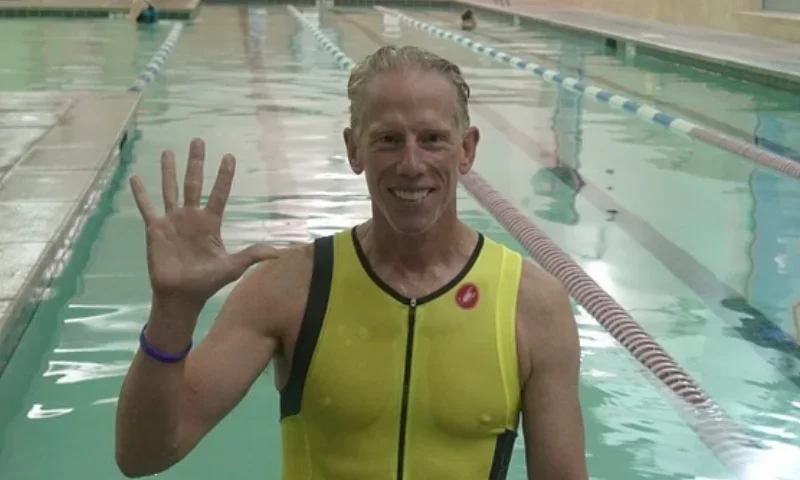
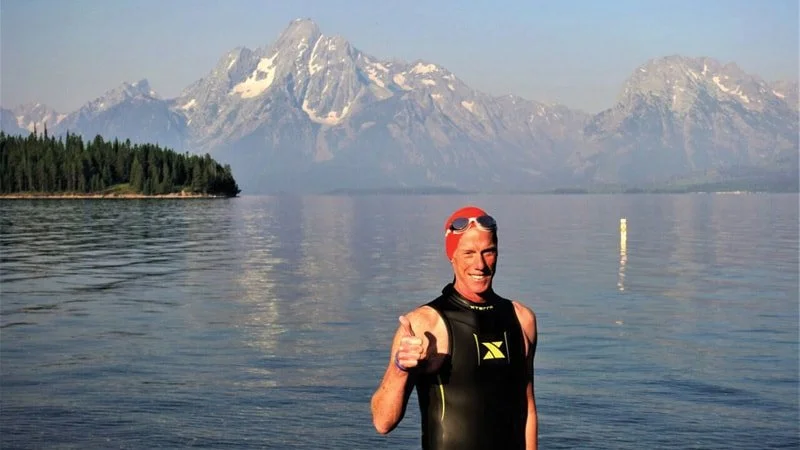
In this episode, IRONMAN Master Coach Matt Dixon introduces the Purple Patch Podcast, emphasizing the importance of challenging oneself to extend performance, happiness, and purpose in life. It features Will Turner, a senior coach at Purple Patch, who completed a remarkable feat of six and a half Ironmans in an eight-day race at altitude, covering 914 miles. Will discusses his journey, the mental and physical challenges, and the importance of adaptability, resilience, and sustained performance under pressure. He also shares insights on setting big, audacious goals (BHAGs) and the significance of belief and confidence in achieving them. If you have any questions about the Purple Patch program, feel free to reach out at info@purplepatchfitness.com.
Episode Timecodes:
00-1:34 Promo
2:03-4:26 Intro
4:33-58:32 Meat & Potatoes
58:33-end Outro
Purple Patch and Episode Resources
Learn more about Will’s Film: https://www.sierra914.com/
Check out our world-class coaching and training options:
Book a complementary needs assessment coaching call:
https://calendly.com/coaches-purplepatch/offseason-assessment-call
Tri Squad: https://www.purplepatchfitness.com/squad
1:1 Coaching: https://www.purplepatchfitness.com/11-coached
Run Squad: https://www.purplepatchfitness/com/run-squad
Strength Squad: https://www.purplepatchfitness.com/strength-1
Live & On-Demand Bike Sessions: https://www.purplepatchfitness.com/bike
Explore our training options in detail: https://bit.ly/3XBo1Pi
Live in San Francisco? Explore the Purple Patch Performance Center: https://center.purplepatchfitness.com
Everything you need to know about our methodology:
https://www.purplepatchfitness.com/our-methodology
Amplify your approach to nutrition with Purple Patch + Fuelin
https://www.fuelin.com/purplepatch
Get access to our free training resources, insight-packed newsletter and more at purplepatchfitness.com
TRANSCRIPT
Matt Dixon 00:00
Before we kick off today's show, I just want to spend a couple of moments framing it, because today is not about extreme sport. This is about how any person at any level can leverage the power of taking on a challenge to extend performance, happiness and purpose in sport, in business, in life, this is a story where all of us unite behind a common goal, to get out of our comfort zone. So when you listen today, I really encourage you to pause after you finish and think, what's an area in life that's really meaningful for me, that's important, that I'm working hard, but I'm sitting in relative comfort. How do I add challenge to this to be a catalyst for growth, to get more I promise you that you are stronger than you think you are. If you want to set up a consultation with purple patch, we always do complementary needs assessments. We're happy to sit down with you and help you think through this challenge. We're also equally happy to help you understand how we could help you along that journey, whether it's a part of one of our squad programs or, of course, with individual coaching. And so feel free to reach out info@purplepatchfitness.com but today, fasten your seatbelt. You're going to start shocked, maybe in awe, maybe in confusion, but by the end of it, what emerges is a story of purpose, growth and high performance. I think you're going to love it. Here's to the show. I'm Matt Dixon, and welcome to the purple patch podcast. The mission of purple patch is to empower and educate every human being to reach their athletic potential. Through the lens of athletic potential, you reach your human potential. The purpose of this podcast is to help time-starved people everywhere integrate sport into life. You
Matt Dixon 02:03
Matt and welcome to the purple patch podcast as ever, your host Matt Dixon, and if you're watching me today, yes, I'm in a little bit of a different backdrop today, I welcome not just a wonderful, remarkable endurance athlete, but a key cog of the coaching team at purple patch, one of our senior coaches Will Turner his story matters, because it's transferable to any aspect of life. And when you first start listening, you're going to think, what was Matt going on about in the introduction, because we're going to unpack Will's incredible endurance feat, six and a half Iron Mans put together in a single race, an eight day challenge at altitude, through the incredibly demanding terrain, through the Sierras, starting in Lake Tahoe, six and a half Iron Mans in a row, trying to do them all in under eight days, very little sleep, massive adversity, huge challenge. And his story relates to you. It relates to you, finding purpose, growth, high performance, better energy. And ultimately, I think, finding a source of contentment and happiness with yourself. We talk about identity, we talk about adaptability, we talk about resilience, we talk about the mental state. This is an incredibly powerful story. You're going to love it. It's transferable. It's going to help you. Whether this year you're thinking about starting to take up habits to fuel your performance across life, whether you're thinking about stretching yourself from a 5k to a half marathon, whether you're going to take on an Iron Man for the first time, whatever your quest is, or as will unpacks your B hag, big, hairy, audacious goal, this one is for you. Now you're also going to hear very clearly how coach How will is a remarkable coach. That's why he's one of our senior coaches. Is a key part of our team, and so I hope you enjoy it. Without further ado, I give you Will Turner, and I will add that we'll send the link to all the information of the documentary that's gaining a lot of traction on his journey on what is the Sierra nine to 14, without further ado, I give you the meat and potatoes.
Matt Dixon 04:34
And it is the meat and potatoes. And as mentioned, this today is not just about doing hard thing for the sake of it. It's not just about suffering. It's a pretty remarkable human being, and we are pretty lucky to have him as a senior coach at purple patch, not only that, but will myself, Kelli co lead the wind cycle program. That's our executive leadership first system for lead. Teams and beyond organizations to help them perform under pressure. Today, we're going to dive into a little bit of Will's story and how he arrived here at purple patch and so without further ado, thank you very much. And welcome Will Turner, thank you. Nice to be here. It's going to be a it's going to be a big day for us. Today. We're going to be, I hope that we're not going to leave everyone departing with, oh my goodness me, that guy is absolutely bonkers. But here we are been said before. It has been said before. So as I like to do with with every guest, I want to dig into a little bit of your background and history, and this is going to be particularly important today because of, as we unpack this today, what your journey has been. But um, why don't you tell us a little bit about your early life, growing up, family, upbringing, education, or all that side of stuff before sports started into the picture.
Will Turner 06:01
Okay, grew up in a great family, loving family in Virginia, close knit, lots of relatives, cousins and everything all around us, that sort of thing. Grew up with three other siblings, and my mom was a school teacher. My dad was a gentleman farmer, which meant that basically he worked a full time job, but then came home and worked another full time job on the farm. So we had cows and pigs and horses and all that sort of stuff, and about 130 acres living in an old former plantation house that was kind of a renovated farmhouse type thing. So there's always lots of work to do and and things do around the farm. So definitely grew up with a work ethic, I was gonna say, with a work ethic. Yeah, very much so.
Matt Dixon 06:49
And what about I'm always interested in this and but perhaps never more so than today, as we talk to you today, which we're going to reveal in a few moments. But sports growing up, were you always really athletic, and what type of sports did you do? I was
Will Turner 07:07
not a natural athlete or really athletic as a kid. I mean, I played sports, I played little league sports, I played little league football, little league basketball, but I spent as much time on the bench as I did on the field or on the court, so did some swimming on summer swim teams and that sort of thing. But was just pretty much an average athlete at best growing up.
Matt Dixon 07:31
And you know now, as you sit here today, we could easily identify you and correct me, if you don't think this, this title is correct. But in an extreme endurance athlete, is that fair enough as a fair enough so? So I have to ask, then, at what stage of life, or when did endurance sports, me, in a meaningful way, sort of enter your life? Yeah, I
Will Turner 07:58
to date myself. I started doing, I I started, I've been doing sport and as an adult for the last 40 years, right? So I think when things shifted for me, I'd done some sprint distance triathlon, some Olympic distance stuff. Had done some short 5k and 10 K's, but my best friend came to me, her husband had a brain tumor, and she wanted to raise money for the brain tumor fund to support him and the good work that he was getting from a service in Richmond. And she asked me if I wanted to run the marathon with her. And at that point, I was running my golden retriever two or three miles a day just to get the energy out of him. And I ran enough to run, but nothing distance wise. And it was like, Yeah, I want to help you. And I said, I don't know if I can run a marathon, but let's see. So that's kind of started the longer distance.
Matt Dixon 08:53
Okay, okay. And what we're going to focus on today, which is a huge event, your largest accomplishment so far today, and and also the film that we really want to dig into, but, but going back when, when did you first? When was the year of your first Ironman race?
Will Turner 09:13
The year? Yeah, 2009
Matt Dixon 09:16
2009 so, yeah. So not, not that long ago. So, as you come in, so, so 2009 and let's fast forward to the Sierra. I need to make sure I get the miles correctly. The Sierra 914, 914 Yeah, 914 There you go. So then at Sierra 914 we should first really explain what it is, okay, and so just give me the landscape of what that event is.
Will Turner 09:47
It's an eight day, 914, mile solo race through and around the Sierra and Eastern Sierra mountain ranges in California, which included 15.6 miles. Swim in Lake Tahoe, a 728 mile bike ride down, through and over and along the Sierras, and 170.4 mile run near Mammoth Lakes. And obviously all that in elevation, with
Matt Dixon 10:19
a little bit of elevation and and that is, I mean that that accumulated ab equals six and a half, six and a half Iron Man's Yes. And when I first heard it, I I was curious whether you were doing it as swim bike, run, swim bike, run, swim bike, rung. But this is, this was six and a half out, six and a half times an Ironman Distance swim followed by six
Will Turner 10:43
and a half out? Yeah, exactly. So this is a so in the ultra endurance world, that would be a continuous Ultra, where you're stacking the swim, then the bike, then the run, versus doing one a day, one a day, one a day type of thing. Okay?
Matt Dixon 10:55
And I'll probably ask this question five times today, and it's my favorite question to ask you, which is, why? Why? Yeah, what was the catalyst to build this?
Will Turner 11:08
The catalyst was to do something that was going to push me. You know, what I've what I've done on on the side of endurance sports and extreme endurance sports is I've stayed in, I guess the world of endurance for you know the last 20 years because it tests you, because you know when you challenge yourself, you grow and you develop and you discover who you are at the very core. And to me, it's that mingling of not only having the physical push and challenge, but what it does to you as it shapes who you are and who you want to become. It's not so much about the bravado of I get to do something really big and hard. Yeah, it's who I become in that process. Because you don't get to become that person in a place of comfort, is a place of discomfort. It's a place of discomfort where you are going to have to stretch yourself if you're going to survive.
Matt Dixon 12:05
It's a it's a lived experience of what we teach in absolute corporate programming.
Will Turner 12:11
I would say, you know, one of the lessons of Sierra 914 is a lesson of sustained performance under pressure. Yeah, because anybody can show up for day one. But what about day five or day six or day seven? You know? How are you showing up under that pressure of fatigue and uncertainty and doubt and all the the obstacles that are being thrown your way along? You know what eight day race is? Basically what it is.
Matt Dixon 12:36
So it's, it's incredible. And tell me you also that the catalyst, I mean, it coincided with birthday year. Yeah, so six and a half, and we don't need to go too much into the story, but six and a half Iron Man's had a reason behind Yeah, it was returning 65 years old, 65 years of old. And that's just important for context of young you're not 28 done it to you. I'm an old but, but it's quite and then the the thing that has emerged out of this is, is the film to give an abbreviate story of how that came to place, because, and I want to preface this you mentioned just now, I'm not doing this for bravado or ego. When you came into interview for purple patch, you never mentioned this. Like, as a pilot, we talked about doing challenging stuff, and you've done this stuff, but you didn't say, Hey, by the way, this is, you know, I'm Will Turner. You should look at me. Check out my instagram. Check out this. You know, I've done this. It was you, you, you earn your position as a coach on purple patch through merit and and really went through. It's not the sort of thing you walk into a bar and you lead with, right? You know, yeah. So it's just not your personality, right? You did this thing and everyone just, Oh, my goodness me through. I mean, I've ridden my bike in Tahoe. I know what breathless. I've swum in Lake Tahoe many times. It feels like you're going through a straw. I can't imagine doing an Iron Man in, in there, let alone 23456, and a half Iron Man. You had a film crew with you, following you along, production crew. How did that come about? And what was that like?
Will Turner 14:17
Yeah, that came about because the I've been doing ultra endurance triathlons for ultra tries for since 2014 so. And the gentleman who's runs the ultra tri, most of the ultra tri races in the country, there's not a lot of them, but one of the guys who I've raced with a lot, a race director, he basically came to me before I was doing this race, and he said, Will I think you're probably doing something big this year, you know, you want to tell me about it. I said, and at the time, I was going to do a 650 mile Ultra. Or triathlon on my own in the Grand Tetons. Okay, had just kind of sorted through that. Was still kind of sorting through it when he made the when he called me and he said, Well, would you like to make it bigger, not bigger in distance, but bigger, a bigger thing than just you going out doing your thing? I said, Well, what did you have in mind? He said, Well, one of my best friends is a filmmaker, and he's interested in, you know, a documentary project, and I think it would be perfect for, you know, him, to do a documentary of of this big event that you're planning. Would you be open to talking to him about it? So we set up a call. We call, we talked the next week. It was on a Friday night. I'll never forget it. We had a great conversation, and we were just kind of going back and forth about, you know, whether it made sense or not, and whether we were wanting to do it. By the end of the conversation, we all thought that would be pretty cool thing to do. Yeah. And then Craig the race director asked me a question. He said, Will, does Teton 650 scare you? And I paused, and I said, the only thing I could say was, it concerns me, it worries me. But I couldn't tell him it scared me. And I know why he was asking, because he knew me well enough to know that. And when I trained for my first Iron Man, which is Iron Man New Zealand, in 2009 I found the quote, you know, if your dream doesn't scare you, it's not big enough. Yeah, and I had built, kind of my own platform of doing hard things, and all of a sudden I was picking this thing for six, for 65 that didn't really scare me.
Will Turner 16:33
And the reason he knew it didn't scare me is because seven years before I had done a quintuple, I had failed in a quintuple but I made it 696 miles out of 703, before the time ran out. Oh, okay, and he know I, he knew I'd done 696 miles. So he's asking me, Will 650 scare me? So we end up hanging up the phone? I, I tossed and turned all night because it was like, I'm not thinking big enough. You know what? What's wrong? You know, I went to the trails the next morning to run the trails, typical Saturday morning, and the whole time is just wrestling through my head. You know, am I not thinking big enough? What should I be thinking about? You know, does it Why doesn't it scare me? Should it scare me? All those questions, and then, part way on the trail run, I'm like, Okay, what's six and a half Iron Man's times one 40.6 right? Yeah. So I can't do the math in my head, but I know it's more than 650 I mean, I know it's more than 650 so I'm like, I get back to the car, I pull out my phone, I do the calculation. It's, it's, you know, 913.9 Yeah. I'm like, okay, 914 miles. This is it. So I called him up. I said, Craig, I hope you're happy, because right now I got the, you know, the crap scared out of me type thing. So we're on for for tea time. 914 why
Matt Dixon 17:57
do you why do you think it's so important in something like this to have a goal which it does actually escape, because the chances, as you literally, you know, standing waist deep in the water getting ready to swim, you probably had in your mind that success was no more certain than failure was
Will Turner 18:18
going in. I knew it was probably 5050, 50% chance I could make it, and 50% that I wouldn't. And the goal really is to kind of dance on that line to, you know, and not know with certainty which side you're going to end
Matt Dixon 18:33
up on. Yeah. And so as you went, as you went through this, you had a film crew going through that. I mean, by the way, it's tough for them as well, because that's
Will Turner 18:40
they said they never worked. Yeah, exactly. They're filming for 20 hours a day, or whatever, 20
Matt Dixon 18:45
hours a day. So you're going through? I get the first question that everyone's going to have is, how much did you sleep in this?
Will Turner 18:51
Yeah, I average probably three to three and a half hours a night. Okay, and how, how
Matt Dixon 18:58
do you train for something like this. There's, there are a lot of listeners that are, you know, listening, and are familiar with either half Ironman, distance training for a marathon training for an Iron Man. And suddenly you're doing six and a half. You're doing it eight days. And the the first jump to conclusion. I'm a coach, so I know I kind of know the answer a little bit here, but I'm going to, set you on this stage and platform. It it's not six times the training is, how do you possibly train for something like this?
Will Turner 19:28
You're training for durability, you're you're training for strength. You're training just as much your mind as you are your body. And getting to a point, yeah, you're not, you know, training for, you know, going from a half to a full Iron Man, you know, you're bumping up your your training pretty significantly, yeah, from a single Iron Man to a double, you're bumping. It up more when you start getting into triples and quadruples and quintuples and deccas, which are all out there in the ultra world. Yeah, you're not multiplying that effort, right? You're coming to a threshold where you're just stopping. It's kind of like ultra running as well. You know, you're not running 300 miles because you're doing a 300 mile race, yeah, you know, I'm building up to all day rides and and that sort of thing. But I'm not doing, you know, you're not
Matt Dixon 20:27
doing four days of riding in a row Exactly, exactly. And what about, I want to dig into the mindset a little bit here, which I think is, is really fast. How do you training the body is almost potentially the easier thing outside of the commitment of showing up. I mean, it's very tough, and you have to stay injury free. But how do you train or prepare the mind? In a way was that, was that something that you that you focused on, or is that it was that sort of something that was delivered through or developed through learned experience?
Will Turner 20:59
It's both. I mean, it's developed through learning experience, if there's an intentionality and a process to kind of store that, learn it, you know, retain it and repeat it, type thing, which is something that I definitely do, but I'm always, you know, I've, over the years, certainly have collected a toolkit, a pretty robust toolkit of things I can pull out along the way. And every time I do a big, hard, difficult event, you know, I'm getting, you know, more knowledge, more wisdom, more tools to be able to pull from. And I think one of the one of the interesting things about this journey was, you know, because it was originally planned to be in the Tetons. The Tetons, you know, are this beautiful, majestic range in the in Wyoming, but it's interesting, unlike most ranges in the country, it's relatively flat, and then you have the peaks just shut up, right? And so I was going to do most of my, I was going to do most of my racing in the Grand Teton National Park, which is, you know, lots of bike paths and that sort of thing, yeah. Not a lot of very accessible, very accessible, yeah, but you still have this majestic, beautiful, epic background, right? Well, about a month before the race. We found out we couldn't get the permitting to do the filming in the park, okay? And so then we had to scramble last minute and say, Where are we going to do it? And we ended up, you know, with Tahoe and the Sierras, which meant that all the training I'd done all year long for this big event, which was basically going to be on a relatively flat, slightly rolling course, was now going to be at elevation higher than, you know, what I was going to do in the Tetons. But also I was now going to be climbing 40,000 feet. I was going to be going over five mountain passes, you know. So it
Matt Dixon 23:03
was the bike ride in itself. Was 40,000 feet of climbing, yeah, yeah.
Will Turner 23:08
And so what was interesting is, when that happened, you know, if I didn't, if I hadn't had the mental resiliency, it wouldn't be the time to freak out, to maybe pull the plug, to say this isn't, you know, possible, all those sorts of things. And I was just unquestionably calm about it. It was like, Okay, this is a different this is a different challenge. This isn't what I prepared for, but my but the thing is, my mind was prepared for going to a place that hadn't been before, and this was just going to make it more difficult, and I wanted to be on that line, and so I was this. This was like, Okay, well, put your money where your mouth is. This is definitely going to test you, you know? And so there's a calmness that comes with that, yeah, and just an understanding that you can't control the environment, but you can control yourself and how you react to it, and how present you are in it, and that's a big part of preparing for a race like this, is knowing how to still the mind, get rid of the negative judgments and information that's kind of flooding you, and take it. You're not chasing a 914, mile, you're chasing the next mile, yeah, you know. And so you've got to keep that mind small to what you can do and
Matt Dixon 24:28
everything you can control in that environment. I mean, it's a really obviously that the actual race itself is not accessible for many people to understand, right? What it is, what is accessible is the lessons that emerge from that race experience, right? You know, because what you just said there applies, yeah, almost any aspect of life.
Will Turner 24:50
It's not about the miles, it's about the process that you're going through. I mean, to me, Sierra 914 is a not so much about me doing some extreme. Event, even though, by most, you know, people's, you know, discussion would be an extreme event, but it's really about, you know, doing something hard but, but doing something it's kind of a case study, and sticking to the fundamentals. You know, taking a really big goal, breaking it down into actionable steps, figuring out exactly what needs to be doing, being very present in those moments, dealing with uncertainty and doubt and obstacles as they come along, working through fatigue, working through stress and other demands that are coming to you, and you know, kind of taking it one step at a time, and not getting ahead of yourself.
Matt Dixon 25:40
And I presume with that, that that there's an immense amount of planning that goes into it at the same time when you're actually living it over the course of eight days. Everybody knows the saying a great is a great plan to get punched in the face for the first time, right? Nice and blah, blah, blah, but I'm sure over the course of this journey, you got proverbially punched in the face quite a few times like that. So there was, I'd love you to sort of dissect a little bit the planning and then the intersection of the reality. And in many ways, that's what you're talking about here, like this extreme adaptability and staying calm under pressure and responding rather than reacting in many ways to navigate through. So as you reflect on that eight days of racing, what were some of the examples, I'd love to unpack some of the adversity you went through.
Will Turner 26:38
You know, with any long event, there are, I call them peaks and valleys, right? Yeah. There's always those times where you're just feeling great and you're charging ahead and life is awesome, and we all love those moments, right? Yeah, but in any long event, whether it's an Iron Man distance, or whether it's something Ultra extreme, there's going to be peaks and valleys. And I learned a long time ago that when you get to those valleys, you don't you don't freak out, you don't over dramatize, you don't over emotionalize those moments. I treat it as not as a friend, but as an acquaintance coming to visit. It's like, Oh, you're here. Yeah, I knew you were going to show up. I just didn't know when. And in an event like this, you don't know whether that valley is going to be five minutes or five hours or a day or I mean, you just have no idea how long you're going to be there. But what I have learned is that in those moments of discomfort and struggle, if you keep moving and in that process, also keep problem solving, because sometimes it's a nutrition issue, sometimes it's another issue that you can problem solve your way out of. But if you keep moving, you'll get out of that valley at some point, and there'll be another high. And so a race this long, I mean, you're on the perpetual kind of roller coaster along the way, and part of your job is just to stay steady through that.
Matt Dixon 27:59
And is it the peaks and valleys amplified a little bit that they can be very in life, but like, I'd love you to describe, if you can remember even your your darkest moment, and was there a moment in here where it
Will Turner 28:14
was, there were a few moments, yeah, yeah, and mostly towards the end, towards the end, yeah, you're physically just, you know, disintegrated, yeah. So he
Matt Dixon 28:24
literally just, yeah. And, of course, fatigue, you know, Lombardi
Will Turner 28:30
said, Yeah, sleeping well for eight, yeah, nine nights in a row you've got, you know, you know, because you're outside all day long and into the night, you know, by the end of it, I was getting these big blisters on my lips and, you know, my hands and worse and feet were starting to swell, you know. So you have the physical toll that it's actually taking. So the very last day, you know, I still had a lot of miles to cover on the run, and I was moving along, but, you know, PACE had really slowed down, and mostly doing a lot of walking. And I looked, you know, I'm in a valley in the run, basically between the Sierra mountains and the White Mountain Range, and I can see in the valley coming towards us these dark storm clouds, and they're coming closer and closer, and all of a sudden it just kind of rips through the valley, and it brings all this torrential rain when it comes. And I'm out in the middle of it, I'm getting just poured on. And it, luckily, it passed almost as quickly as it came. It just, was just kind of swept through, yeah. But by the time it left me, I was soaking wet. And the temperature in those mountain areas, I mean, they can drop like that, yeah. And it dropped about 30 degrees, and all of a sudden, not only was I. Wet and fatigued, and kind of my body was at its breaking point, but now I just started shivering, just uncontrollably, because I was just and I had to go to the van of my crew member to change into something warm, and I couldn't even control my hands. I couldn't change because I couldn't, I didn't had no dexterity, yeah, and I'm just sitting there shaking and knowing how much more I have to go, and just in that state, just going, not knowing, you know this, what can happen, right? And so I get a change of clothes on, and I'm bundled up, and I start walking out, and Craig is, you know, there, that part is part of the crew. And as we're walking away from the van that I just got out of to change, there's a double rainbow right in front of us, which was miraculous. I mean, it was just amazing, yeah? And it was just like, it was something I needed to see in that momentous medicine, yeah. It was like, Oh, wow, yeah, that's amazing. And it just, it definitely lifted my spirits to what was possible and just to keep moving.
Matt Dixon 31:10
But, and as we sort of come towards the end of the race, a little bit the this wasn't just a completion thing. This was a completion against the clock, right? Yeah. So that's just explain
Will Turner 31:22
that a little bit. Yeah. So with ultra endurance triathlon is just like a regular, shorter distance triathlon. There's time limits for each segment of the race, and we just, there's not a six and a half Iron Man out there, but there are quintuples and deccas. So we basically, you know, Craig, who was in charge, I rated it. I rated it, yeah. And we came up with 192 hours, which is eight days, yeah. So I had had that clock ticking the whole time, and was it, was it close to two hours and 14 minutes to spare? And I I finished? So, yeah, 192
Matt Dixon 32:03
hours was gonna say I finished in 169 47 you're going through those moments of of real, challenging adversity, two hours. But people that have done an iron man know that how quickly an 11 can turn to a 13 or 13 turn to a 16
Will Turner 32:21
that is that sound to the wire. Yeah, it is. I mean, in fact, I was at the point where I had no sense of relief or finishing in time until the last two miles. That's the first time I could really breathe that okay, I can crawl to the end if I have to. Yeah, I've had in some other races, including the quintuple that I got 696 miles out of 703. I had, like, a severe runner's lane where, yeah, the back collapses, and basically you're hunched over and you're, you're just struggling to move forward without falling over. I've had that happen in two extreme, you know, ultra endurance races over the years, and I've, I've learned, kind of through those episodes, that, you know, when things go bad, they can go bad really quickly, yeah? And if you're not careful, if you're not responsive to those first signs, you know, you can go from I'm walking okay or running Okay, to I can't move, yeah, and that's what I had to protect myself against and and I just knew that I the margin was too small for me to take any chances, because I didn't know, you know, till the very end, if my body had what it needed to make it will it way through to the end. So I'm fascinating.
Matt Dixon 33:36
I'm gonna come right back up to the top. What did, what did this journey? Teach you about being human. Teach you about yourself.
Will Turner 33:43
Well, the thing that a journey like this teaches you, I mean, it strips you to your very core. I mean, it strips There's no hiding, there's no hiding, there's no bravado, there's no ego. It's you kind of there. There's no narrative you can tell yourself. You are just kind of naked, you know, kind of looking in a mirror and saying, This is who you are. And to me, you know, when you have that mirror in front of you and this is who you are, it's like, you know, it's easy to be aspirational when you're seeing somebody else's journey or seeing something on a movie screen or that sort of stuff. Like, if I was that position, I would do that, would do this. But when you you're in that position, you know, you don't really know until you're in that position how you're going to react to it, right? Yeah. And to me, that's, that's always the moment that ideally you want to say, I got here, I didn't know how I was going to do it, but I kept, you know, moving one step in front the other, right? And I've been in times when I could do that, I've been in times when I couldn't do that, and, yeah, and so I just, you know, how about, how
Matt Dixon 34:49
about your your coaching, and how has this impacted, like, the story of 914 how's it impacted your coaching, both of athletes as well as leaders as Yeah. You're part of the wind cycle program.
Will Turner 35:01
I think, yeah, I mean, one, I think a certain level of patience, yeah, and understanding that's a little deeper, a little bit more resolved, and knowing that it's not, you know, I think sometimes we think it's all about toughness, and, you know, whether it's in life, kind of a leader going, you know, to tackle some big challenge, right? Or an athlete doing this same thing, yeah. And there's a point where, you know, toughness can get you through something, but there's a point where toughness, for toughness, can actually hurt you, right, it can actually, you know, be to your detriment. And so what I've learned it's it's more about identity, it's more about knowing what to do in the moments, knowing what to do when adversity shows up, and really how to make those decisions under pressure. That you know, I want an athlete that not just has a great performance on race day, but knows how to deal with all the adversities that they face in training and race, day in life, it's in, you know, all the things that they're facing, and those skill sets, you know, work, whether you're in sport or whether you're in business or whatever it is. Yeah, and and it gets a lot less about bravado and more about being present, more about being quiet, being resilient and figuring out, okay, what do I need to do in this moment? Not how do I feel, yeah, but what do I need to do in this moment that's going to help move things forward?
Matt Dixon 36:31
I bet there are people listening or watching right now, and there's perhaps a mix of Wow, that's amazing, incredibly inspiring. What possesses the man, you know, and that's leaning in there, but they might feel a certain emotion, but not necessarily connect to it? Of, like, you know, I I'm busy, I got a job, I got a family, etc. That's like, I'd never do anything like that. What would you say to them? Because the story is incredible. I mean, it is an amazing human feat. We put out there absolutely. And we're in a purple patch. We're incredibly proud of of your accomplishments, your individual accomplishments. But if someone's watching and they they are inspired, but can't connect it back to them. What would what would be your message to them?
Will Turner 37:25
My message would be, you know, if it's easy to maybe not have it connect with you, if you think it's about what I did, yeah, and you think about the miles, you know, 914, miles sounds like a lot of miles, yeah, but it's not about what I did. It's more about how I did it, you know, and again, it's, it's being present. It's, you know, that was a mountain for me, because I've done, you know, I've had 15 years, 20 years, of kind of building, you know, to get there. Most people don't have that. And so they've got to start with where they are. So we all have those big challenges, those things that, you know, demand more of us than we've given in the past. And so my 914, miles might be somebody else's, you know, hard season. Might be somebody going through a health journey. It may be somebody that's, you know, doing their first marathon. You know, the 914 miles is not the thing here. What's the thing is finding something that's really going to challenge you from where you are right now, and stepping into that, having the courage to step into that, to give it what you can and to explore who you are.
Matt Dixon 38:38
And I wasn't planning to ask this, but it it bubbled up as you were saying that I want to, I want to talk a little bit and just ask your perspective on two that may be linked together, which is belief and confidence. Yeah, how do you see people? And you can start with you if you want. It's up to you. But where does belief come from? How do we develop confidence. I'm fascinated in your perspective on that, because you took on the biggest challenge that did, and I'll say, in my very cute English way, scared the shit out of you appropriately. So where does belief come from?
Will Turner 39:17
Let me back up a little bit. Yeah. So you know, with wind cycle, we do a lot of leadership training, and I've done that before I came to purple patch as well. And one thing that has always been a premise that I've taught and believed in myself is, you know, our beliefs impact our attitudes, and our attitudes impact our behavior, and our impact our behavior impacts our results. So if people want better results. It's not like I can just say I want better results. I have to change the behavior, to change the behavior, I have to change the attitude. Because if I don't think I can do it, you know, and so it all kind of, you know, there's that ripple effect. So belief is that fundamental, foundational thing that allows you to do what you do. And if you know, we all have our lives. Eminent beliefs, and we have beliefs that kind of bring us to our best selves, right? Yeah, so beliefs are really about collecting evidence, and the way we collect evidence is by, you know, doing the things that give us that, that ability to know, that we can, you know, it's those little wins along the way that like there. I think of them as mental deposits. You know, when we do a hard thing, we're making a mental deposit that I did this hard thing, yeah, and we start stacking those mental deposits, enough, enough, enough. And it's instilling the belief that, okay, now this is, this helps to form our identity. Our beliefs are informing our identity, and when that identity is I'm Will Turner, and I do hard things with intention, then when I face those difficult challenges outside in broader life, yeah, I'm not just every life in every it's like, okay, this is who I am. It's not a decision. It takes away. It the negotiables and the, you know, it's not like, do I want to do this or not? Well, I do hard things. You're not afraid of hard things, you know, bring it on and so that. But that belief isn't just, you're not born with it, yeah, right, but you've instilled it in yourself with everything that you've done up to that point, you know, and
Matt Dixon 41:21
through your perspective, perspective, it's it's impossible to build that evidence when you're sitting in a place of comfort. Fair enough. Exactly.
Will Turner 41:33
I love the Brene Brown quote. She says, you can choose comfort or you can choose courage, but you can't do both at the same time, yep. And to me, you know, you know to kind of extend on that we're we, we're not going to be more capable or courageous if we sit on the sidelines, if we wait and you know, to see, we're only going to come more capable and more courageous if we step into the arena, right? And we actually do and start the process. So, you know, it's easy to be I have struggled a little bit with people saying, Oh, you inspire me. Not that I'm I'm glad if that's the case. But what often they mean is, your story was amazing, but I'm just going to sit on it. Right? Yeah, with true inspiration, the question is, okay, now that you've been inspired, what are you going to do? Are you going to just sit with it, or are you going to find something that's going to want you to, you know, bring forth your best to do something with that.
Matt Dixon 42:43
Well, give some, give some advice on that, because your your inspiration leads to action. So if somebody is listening and wants to take action, we're at the start of the year. Yeah, pretty much. So got a whole year ahead. It's time for it. I guess there's, there's a two part question, which is, what? What advice would you give someone if they're going to set up their own challenge? Because your advice is not, yeah, you should go and do the 1280 or something. Yeah, like, it's on the 914 it's like, okay, so, so what would your advice be? And then what would you also say to someone that just says, Oh, it's too late, you know, that's, that's for kids, as it were, you know, because we, we all have our lot in life, and life gets busy, and we start to, you know, I'm over 50, and I start looking at the time left, rather than time behind, and saying, I want to maximize this so, so I two parts, what global advice on How to Get going, how to define things, what's appropriate for people on the full spectrum, something that's ordinary, and I meant people that sedentary, right? And then what about someone? Someone's going to say it's too late for me? Yeah, yeah.
Will Turner 43:54
First, I'd say everybody's journey is their own, right? Yeah. And I had a, you know, what we haven't talked about was, you know, part of my journey up to this point was I did 60 Iron Man's a year I turned 60, and then I did another 45 after that, which, you know that that point in time, nobody had done that. Yeah. And I had a woman that I went to high school with told me that when I was doing all these Iron Mans, that she, she ended up walking two miles, which was the farthest she'd gone in years, because she was inspired by, you know, what she saw me doing every week, right? Which I thought was amazing, you know, I mean, and so her two miles was, like, my, my Iron Man, you know. And there's no judgment there at all, yeah, but to kind of take it to where you asked, you know, I would say, you know, if you want to set a big goal, I call them B hags, right, yeah, carry audacious goals. Figure out what your B hag is, what you know, what's something that that scares you but also excites you, you know, and, and, and what does that look like? And it can be a. Uh, athlete, you know, sport version of that.
Will Turner 45:03
Or it could be a life, you know, it can be anything, right? Figure out what that is. And I always ask myself two questions when I come up with that one, I want to kind of put it in a in a smarty format, you know, kind of a big goal, make sure it's specific, measurable, achievable, realistically, high has a target date, and I add the why to smart goals to make it smart, because it's got to be yours. You've got to do it because it's important to you and nobody else, right? Yeah. And then I asked myself two questions, you know, on a scale from one to 10, how committed Am I to reaching that goal? If, if I'm not a 10, either I need to change the goal, or I need to shift my mindset so that I can accept that goal and give it 100% because if I go into a big, hairy, audacious goal with I'm 90% Yeah, on board, I've already, you know, given away my margin before I started, the chances of succeeding have just gone down.
Matt Dixon 46:03
And that's not to be clear. It's not 100% at the sacrifice of everything in life. It's like within your context of your life, I am doing this, I'm committed, and I'm going full steam Exactly.
Will Turner 46:13
And so pick what you're I mean, that's the great thing with the goal. Is ours, we get to pick it. So if we're picking it, we should be 100% behind it, right? Yeah, 100% the other part is, how disciplined Am I willing to be to make this happen? And that's when you have to look at the broader context of your life, your other demands you have on you, you know, the whole stuff that we do with the Sunday special, as far as, how does this fit into the bigger calendar, yeah, you know. And how am I going to, you know, then the people that will impact, my family, friends, whoever is part of this, right?
Matt Dixon 46:44
And that's all part of the decision process of if it's the right goal, yeah, yeah. And do
Will Turner 46:49
you have the support you need and along the way, right? So, you know, figuring that out first, and then then, obviously it's figuring out what are once that's kind of solidified, what are the action steps that I need to take. How am I going to prepare myself? And part of it is normalizing the fear and being okay to be present in it, you know? Because that's part of the process. Is I'm putting myself out there in a very vulnerable place, yeah, and there has to be courage to take on something that I'm not sure that I might fail at Yep, and I have to be okay with that. And the great thing about failure is it gives you all the lessons exactly the quintuple that I failed at seven years before I did the 914 if I had crossed that finish line, I wouldn't have gained the lessons and insights that got me to the 914 so I see it as my greatest accomplishment to have failed the quintuple it was the
Matt Dixon 47:44
most powerful thing. You probably wouldn't have been as successful at the 914 if it wasn't
Will Turner 47:49
right, right? And it kind of stripped me down. It humbled me. And it's like, okay, well, let's evaluate why this happened. What you can do differently, what you need to learn, how you need to respond and be in that moment differently, moving forward all those sorts of things.
Matt Dixon 48:04
You know, for me, my one of my most humbling experiences was my journey as a pro athlete ended in chronic fatigue, but by all definitions, really a failure relative to all the commitment and all the hard work and the sacrifice and moving to Los Angeles, but I always talk about that has been, I channeled that and all of those lessons into coaching, and you wouldn't be the coach you were today if it wasn't for that. Yeah, it's the absolute backbone in I don't think there's a day that goes by that I don't remember that, and it's so it was the most for and I'm going to share a little bit here like that, that experience. It wasn't just that. I got really tired and got chronic fatigue. I absolutely lost identity for probably two years, not only, you know you think about you are absolutely humbled, and then for the year afterwards, just just being lost and directionless. And you know, without you, lost your identity, lost everything. Yeah, who am I now, exactly? And it was only when I channeled all of that frustration into I am going to coach that it enabled me to reflect for a different reason and another purpose emerged. One of the ultimately, interestingly, was much more powerful and and I think I was coaching for the right reasons. I think I was probably competing in triathlons professionally, in part, trying to prove a point, right, in ego, it probably was in part for bravado. Yeah, you know, like, I
Will Turner 49:38
think a lot of us get into this sport because we're driven first, right? Yeah, one, we're achievement oriented, that sort of thing. But there's certain amount of ego that's also wrapped up in that we want, we want to win, we want to do well, whatever our goals are, right? I went into Ironman, New Zealand as a 50 year old, as a B hag for turning 50. Yeah. And. And, you know, I thought about the Iron Man tattoo, as you know, a symbol of my accomplishment after the the Iron Man. And as soon as the race was over, and I actually had the great experience of being able to spend some extra time in New Zealand and kind of have time to really think and reflect after the race. And what I left New Zealand with was that I didn't want to continue in endurance sports to feed my ego. I wanted to use it as a way to nurture my soul. And there's a big difference there. And ever since then, that's driven my decisions. And it doesn't mean I don't want to do well, it doesn't mean I don't want to do my best. And it doesn't mean my ego is completely gone, yeah, but it does mean that that's not driving the decision making anymore, and I think that's a big difference. And when you can use that energy to to do have an impact, like you've had an impact with your how you've coached the both the pro triathletes, and then taking that on to purple patch and made, you know, a company that does that, you know, globally, you know that purpose is what I know that must just, you know, fill you. Yeah, exactly. And so, how can we use our endurance journeys to, you know, fill us, and also fill those people around us. And that, to me, that helps, you know, from a longevity standpoint, wanting to stay in the game, because, you know, there's a reward there. There's an impact there. I mean, certainly, as I'm at the age now where I'm interested in, you know, what does my life mean? And I I want it to mean that I'm having an impact on other people.
Will Turner 51:47
And if I can use my journey to help gather the wisdom and the insights and things that can help other people have their own moments and own journey, then that's the reward. You know, it's not about me doing it. It's about how can I impact other people that want to do something in their own lives? As far as your other question, which is, what about people say it's too late, right? Yeah, I've missed the boat. You know, the cliche answer is, it's never too late, yeah. But the the deeper, more honest answer is that, you know, I think there's two things here. One is we have to, if we're an athlete, we can't always go back to our glory days, that we're, you know, and think that we're going to restore that, right? Yeah, and that's our goal, is to, you know, get where I was 10 years ago. You know, we have to be honest with ourselves and say, Where am I right now, you know? And what do I want to do right now? What's my capacity? Yeah, and where do I want to go? And the thing, you know, I think some people think that as we get older, we lose that capacity, or we lose that capability, the flip side of that, and part that's partially true, I mean, depending on what you're measuring, but also on the flip side of that we're we've gained understanding. We've gained insights and wisdoms and feedback and experiences that we didn't have 20 years ago. Yeah, and that helps us discern what really matters, what, what, what's really important to us, and finding those things that are going to really resonate with us, that we can take out into the world. And I think we have a I think as you get older, you have the chance to do that, and doesn't mean that you have to do 914, miles. You find the own, your own path to whatever it is, where you can still make an impact, where you can still feel fulfilled, where you can still do something that's meaningful to you and the people around you.
Matt Dixon 53:49
I mean, it's absolute gold. I'll I will add one other thought, and maybe a little bit of suggested reading as well, which is for for listeners that are maybe of an age, and haven't done really any athletics before, because we listen to this, there's, there's a great book, and we've, and I'd encourage you to go back and look up the podcast, actually, with Gwendolyn bounds, Wendy bounds, who was a Wall Street Journal journalist, and she's her whole life has changed, completely changed. She's now one of the leaders at the Wall Street Journal Institute. Very different role helping leaders find performance in life. But she wrote a book not too late, which is really worth having a quick read on. She was completely unathletic, had no background at all. Last kid in school to be picked in games, and now has become one of the forces in Spartan racing as an amateur.
Matt Dixon 54:40
And it's, is really amazing, but that story is, is really compelling. I, you know, thought about beegs earlier, and when I asked you the question around, it's 914, just being really hard for people to wrap their head around. You know, where I live, at the base of Mount Tam, which is a, you know. Our highest mountain peak around here. It's about three miles to the top. And I sometimes walk around our lovely town of San Anselmo, think what percentage of the town could hike up to the top of that? And the answer would be, hopefully, outside of people with disabilities or too old, too fragile, is you'd love it to be everyone, but that, that in itself, would be, for many, many people, an incredible B hack, of which, if they can accomplishment, accomplish, it is no less of an accomplishment than your 914, that's the key thing. Like it's from wherever your start line is. It feels unattainable, but you commit to it and you do it, you get all of the rewards, all of the rewards that you get outside of someone filming and doing a highly successful documentary, outside of that fair enough, but all of the awards come from it.
Will Turner 55:51
Yeah, and I actually did that. Last time I was in San Francisco. I actually climbed, yeah, well, you went, there. You went up the really steep. So bad. Did it at daybreak, so we left with headlamps on, and got up to the top with the cloud cover, and then the sun rising over that on top of the mountain. And you're absolutely right. I mean, that that experience was just like and it was hard. I mean, it was hard for me, yeah, to get up to the top because it's really steep and it's an effort, but when you get up there, you know it's just amazing, and the sense of accomplishment, too is just like, yeah,
Matt Dixon 56:29
it's nowhere else, and it builds confidence like no other of anything in life. I guess, to finish it off, what would be your closing message, if you want, if you want listeners to walk away with one single message would would there be one that you would have,
Will Turner 56:46
that there's more than one, but I'll stick with one. I think, you know, we're all more capable than we realize, and the only way we can find out how truly capable we are is to do hard things, to find to get that B hag, to find something you're really passionate about, and not to sit on the sidelines and not to wait till you think it's too late, but just to go for it.
Matt Dixon 57:11
Go for it if you're not inspired. Well, I don't know what to say. Well, thank you so much for Well, thank you on a couple of levels. Number one, thank you for being on the show, obviously. But more than that, thanks for being thanks for being such an integral part of purple patch. It really has been great having you on the team. And thank you for your partnership on the wind cycle program, our newest program that is growing under our feet. It's sometimes hard to even keep our hands wrapped around it. It's accelerating so quickly, and it's such a fun, crazy journey that is but really deeply appreciate all of your work so far. And thank you. And I tell you what, if you if you do have the desire to do something challenging in your life, wherever your starting line is, I can think of very few people that have served to support you in that journey than a certain Will Turner so so feel free to reach out. We'll always be happy to pair you and and will can go on that journey. He is not going to try and persuade you to do a double Iron Man, I promise you that. Well, maybe, maybe just, just a little bit something more, guys. Thank you so much and appreciate it. Have a great day. We will see you next week, and this is all about high performance. Today, we had Will Turner, who is an epitome of high performance. Take care, folks. If today resonated with you, if you're inspired, I want you to pause and reflect what's one area in your life where you're just sitting in comfort on autopilot. What can you do with one action this week to add a little bit of challenge, a bit of growth opportunity, where you can maybe step out of your comfort zone and feel a little bit of an accomplishment. Is it walking every day after dinner? Is it adding a little extra session to your weekly regime. What is it and beyond that?
Matt Dixon 59:05
What's something that you could do that excites you, that adds challenge to your life, that is the very venue where you can grow as a human being. If you would like help thinking through this setting, a vision or a roadmap to a goal, or, of course, support along the journey. Feel free to reach out for a pressure free and I mean that pressure free needs assessment, we'll help you, even if you're not going to become a part of purple patch, we want to set you up for success, and if it comes together that you would like our help. Terrific. We can do it with one to one coaching. We can do it through one of our squad programs, I will add, because it's all about Will Turner today that will for this year 2026 does have two spots on his roster, so he has and it's very treasured. These don't happen for very often. But if you would like to coach with will directly, as I promised, he's not going to make you do a. DACA Iron Man, or anything like that, but he is going to help you set up the plan and be there as a partner on your journey for you to achieve something remarkable for yourself. It will amplify your life and it will build you into something you never realize you could achieve. Thanks so much. Take care, guys. Thanks so much for joining and thank you for listening. I hope that you enjoyed the new format. You can never miss an episode by simply subscribing.
Matt Dixon 1:00:29
Head to the purple patch channel of YouTube, and you will find it there. And you could subscribe. Of course, I'd like to ask you if you will subscribe. Also Share It With Your Friends, and it's really helpful if you leave a nice, positive review in the comments. Now, any questions that you have, let me know, feel free to add a comment, and I will try my best to respond and support you on your performance journey. And in fact, as we commence this video podcast experience, if you have any feedback at all, as mentioned earlier in the show, we would love your help in helping us to improve. Simply email us at info@purplepatchfitness.com, or leave it in the comments of the show at the purple patch page, and we will get you dialed in. We'd love constructive feedback. We are in a growth mindset, as we like to call it, and so feel free to share with your friends. But as I said, Let's build this together. Let's make it something special. It's really fun. We're really trying hard to make it a special experience, and we want to welcome you into the purple patch community with that. I hope you have a great week. Stay healthy, have fun, keep smiling, doing whatever you do, take care.
SUMMARY KEYWORDS
Endurance sports, Ironman, Purple Patch, Will Turner, Sierra 914, ultra triathlon, mental resilience, adaptability, high performance, personal growth, adversity, goal setting, leadership, coaching, human potential.