
396 - Race Season Fueling: Your Performance Nutrition Playbook with Megan Foley, RD
Follow the Purple Patch Podcast at:
APPLE PODCASTS - SPOTIFY- AMAZON MUSIC - GOOGLE PODCASTS - YOUTUBE
Welcome to the Purple Patch Podcast!
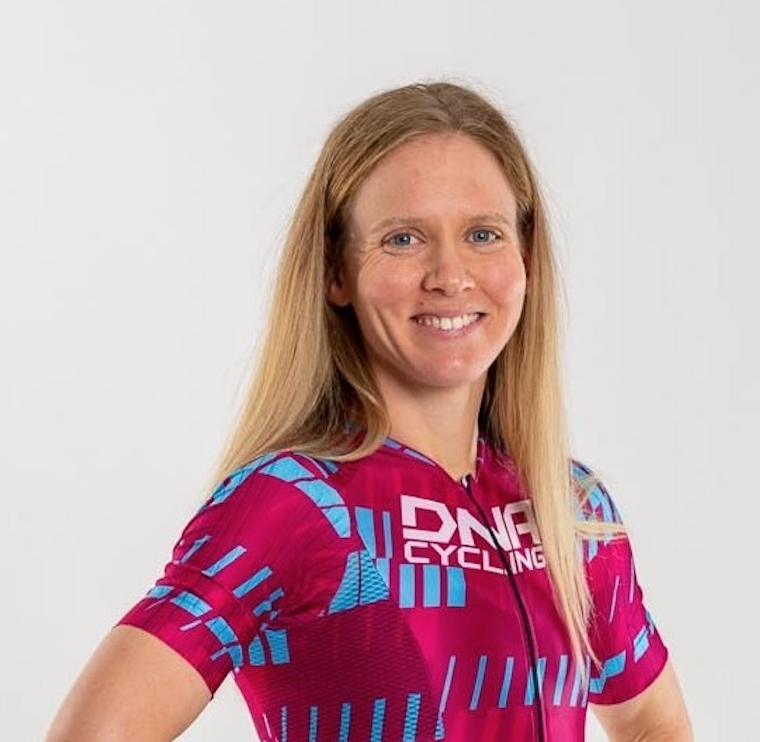
On this episode, IRONMAN Master Coach Matt Dixon and Fuelin’s Megan Foley discuss nutrition strategies for endurance athletes as race season approaches. Megan emphasizes the importance of periodizing nutrition to match training intensity, highlighting the need for adequate carbohydrate intake. She warns against focusing solely on race weight, as it can compromise performance. Megan advises athletes to practice race-day fueling gradually, starting with shorter sessions and gradually increasing intake. She also stresses the importance of rest, sleep, and a balanced diet. For race week, she recommends maintaining usual eating habits, planning carbohydrate loading, and ensuring access to nutritious food at the race location.

If you have any questions about the Purple Patch program, feel free to reach out at info@purplepatchfitness.com.
Episode Timecodes:
00-1:24 Episode Promo
1:53-4:28 Intro
4:38-end Meat & Potatoes
Purple Patch and Episode Resources
Hiring Purple Patch Coach: https://www.purplepatchfitness.com/careers-page
Fast Track Run Squad: purplepatchfitness.com/fasttrackmarathon
Check out our world-class coaching and training options:
Tri Squad: https://www.purplepatchfitness.com/squad
1:1 Coaching: https://www.purplepatchfitness.com/11-coached
Run Squad: https://www.purplepatchfitness/com/run-squad
Strength Squad: https://www.purplepatchfitness.com/strength-1
Live & On-Demand Bike Sessions: https://www.purplepatchfitness.com/bike
Get a free needs assessment and learn more about our programs: https://purplepatchfitness.simplybook.me/v2/#book/service/19
Live in San Francisco? Explore the Purple Patch Performance Center: https://center.purplepatchfitness.com
Everything you need to know about our methodology:
https://www.purplepatchfitness.com/our-methodology
Amplify your approach to nutrition with Purple Patch + Fuelin
https://www.fuelin.com/purplepatch
Get access to our free training resources, insight-packed newsletter and more at purplepatchfitness.com
Transcription
Matt Dixon 00:00
Just before we get going with the show it's a terrific one. Today, we're digging into nutrition and fueling for endurance athletes, particularly as we march into race season. We welcome Megan Foley of the fueling team if you'd like to continue the conversation around your nutritional journey. And then head to purple patch fitness. Go up to the virtual services. We'll put the link in the show note, and you can read everything about fuel in and their services. It's our most trusted partner around fueling and nutrition for endurance athletes. You can also reach out directly to their team. Just mention that you heard about it on this podcast. They'll take great care of you info@fuelin.com and with a broader perspective, if you'd like to talk about your performance journey and you'd like to set up a complimentary consultation with us, we will be happy, and it will be absolutely free, both in terms of pressure and, of course, finances, for us to execute a needs assessment, to have a conversation with you about your performance journey and how we might be able to help. All you need to do is head to purplepatchfitness.com/coaching consult if you're having troubles with that. Well, you can always email us as well, info@purplepatchfitness.com. We'll set up a call, we'll see how we're a fit, and if nothing else, make sure that you leave with a clear path of what you need to do to go and be successful in your performance journey. All right, enjoy the show. I'm Matt Dixon, and welcome to the purple patch podcast. The mission of purple patch is to empower and educate every human being to reach their athletic potential. Through the lens of athletic potential, you reach your human potential. The purpose of this podcast is to help time-starved people everywhere integrate sport into life. And welcome to the purple patch podcast as ever, your host Matt Dixon and today it's a cracker we get to welcome bat fuelin. We've had Scott Tindall on the show many times, but we're actually broadening our perspective today. We get to welcome Megan Foley to the team. Megan is an internationally recognized Registered Dietitian. She's based in Utah. She's a professional athlete. She has extensive experience all the way from Olympic level athletes to first timers looking to unlock their performance recipe pardon the fun along the nutrition journey, she is a master of taking and filtering incredibly complex situations and challenges and filtering down into simple and actionable she's a key part of the fueling team, and she's a wonderful resource for us in today's show. We dig into a lot around nutrition and fueling. We wanted to anchor the premise today around the fact that it's spring. At least in the northern hemisphere, we're emerging into race season, and we want to unpack some of the mistakes that we see that endurance athletes make, create some strategic advantages so that you can not just fuel your training, but get performance ready. We're going to discuss race weight, the role of sleep as it applies to your body composition goals, and creating a strategic plan for you so that you can show up on race day ready to implement the best fueling and hydration program for you to be successful. We even dig into a little bit of race week pitfalls and, of course, strategies to ensure that you don't mess it up near the end, and you get everything out of your hard work. Megan's drift, it's the first time on a show, she's a great part of the fueling team, and as I mentioned at the top of the show, if you'd like to reach out and discuss with Megan anything more about your performance journey, just feel free to reach out info@fueling.com I'm sure that she or the team are going to be welcoming to set up a little quick consultation or chat or even an email dialog to answer some of your questions and see how you can become a part of the fueling journey. Of course, always mention that you heard about the team on this show. They'll be take special care of you, and so without further ado, here it is nutrition Megan Foley, an absolutely terrific conversation that I thoroughly enjoyed, and I think that you're going to find really, really useful. It is all in today's meat and potatoes. All right, it is the meat and potatoes and I get to welcome to the purple patch podcast for the very first time. Megan, nice to have you here. Thanks so much for joining.
Megan Foley 04:47
Yeah, thanks for having me. I'm really excited to get in this conversation.
Matt Dixon 04:52
We are going to dig into everything time appropriate, around fueling and nutrition for athletes and you are flying the flag. For fueling. It is. So we're not, you're not the first fuel in representative on the purple patch podcast, the one and only Scott Tindal has been on many times before, but the rumor is you're much of an upgrade over that young gentleman. So so we're excited to fasten the seat belt and see where it goes. I'll
Megan Foley 05:19
pass that information along to him for sure, just let him know that he's been replaced.
Matt Dixon 05:24
He has been replaced. He has very much been replaced. So the catalyst for the conversation was, was actually a meeting or a session that you did with the purple patch athletes, with senior coach, Nancy Clark and and it was received so well. We got so much feedback on how valuable it was that we thought, Let's replicate the bones of it, the framework of it, but let's do this as a part of the purple patch podcast, so enabling to educate athletes outside of the purplele patch ecosystem, and it's particularly timely now for us as race season is here, North America, obviously, and the more the more broad race season, it's really charging up we've already had. And people's real attention is here. The weather is warming up, and so we start to shift mindset a little bit, not just in a training standpoint, but obviously in a fueling and nutrition standpoint, it's really important for athletes to get it right before they pay the price and and so I I always see as a coach, just giving us grounding here, athletes start to say, Okay, x in the calendar, it starts to get serious, but they often leave the nutritional shifts behind that we want to do. So I want to draw on your expertise to try and athlete, have athletes come along for the journey, and not just emphasize training, but also really think about what needs to shift now. What do they need to think about in terms of fueling, in terms of daily hydration as well as nutrition. So that's, that's the big gear. So are you ready to rock and roll? And we'll fasten your seat belts and see where this takes.
Megan Foley 07:13
Yeah, absolutely. Let's, let's get into it. I one thing I really appreciate about purple patch and listening to some of your previous podcasts is you have a focus for each quarter that you kind of talk athletes through. And I think nutrition is really the same, right? We are going to be periodizing our nutrition across the year in the same way that we are periodizing our training. And that's really important, right? It's not going to be the same focus in December, that it is in April when we're getting ready for a race. And that nutrition aspect always needs to match what's happening in training, right? So that carbohydrate piece in particular, as your training sessions increase in duration, as your training sessions increase in intensity, you really need to scale that carbohydrate intake along with that, otherwise there's going to be this mismatch that happens. And that's where a lot of that error seems to occur for folks.
Megan Foley 08:09
It's
Matt Dixon 08:11
it's interesting, and I haven't even asked you a specific question yet, but already into it, which is fantastic, but the last conversation that I had on nutrition with Scott, he said something actually really profound, and this was in off season, profound for me, where it really helped establish a mindset and and I'm going to, I'm going to share this with you now and lead into a question he talked about in off season, saying this is where you Want to get the fundamentals right where you're really building high quality nutrition, almost outside of athletic demands, so really building a base of fantastic daily protein intake, tons of fiber and vegetables, etc. And then he talked about throttling your carbohydrates up as training load increases, but never losing sight of foundationally, you are still got this bedrock of really high quality nutrition. And that was a really great perspective for me, because I see of a lot of athletes forget that we are still human beings that want this foundation of high quality nutrition and just think in terms of fueling. So it was a really nice way in off season to think about it in terms what I want to ask you now, okay, great with that context. I see consistently around this time, going into spring, things start to get serious, athletes making mistakes. So can you share, from your perspective, what some of the common mistakes around this time, as training heats up, racing demands start to loom into the into the close future?
Megan Foley 10:00
But
Matt Dixon 10:00
what are some of the mistakes that you see athletes make?
Megan Foley 10:03
I think the big one that we come across most frequently is athletes see this race countdown in training. Peaks come up, right? And maybe three weeks, two weeks till race day, and they think, I'm not at race weight yet, and that causes them a lot of stress. And so because of feeling these these emotions, maybe it's just nerves and anxiety about the race kind of compounding it, but the focus almost shifts from performance to race weight, and those two concepts are not the same, right? Like having a good performance on race day is not tied to a single number on the scale, right? I often like to tell people we don't weigh athletes when they cross the finish line to determine their race order. So you know, while that may be a metric that has some impact on performance, it's not the only metric that has has impact on performance, right? Like so does your bike fit, so does your mental fortitude, so does your fueling and so putting so much emphasis on this weight number can be actually a performance detriment because we're not taking into account all of these other areas where you could actually get a greater return on your investment, right? So it's, it's that focus on weight instead of nailing the training sessions, instead of recovering from those training sessions and and that oftentimes is what we see athletes, you know, go through and have these pitfalls in those last couple of weeks prior to the races Starting.
Matt Dixon 11:39
Can we? Can I do a little almost fake case study of this? Because I want to dig into the consequence of this. And let's say that somebody is two months out of their race, six weeks out of the race, and they weigh, they see on the scale, make it up 150 pounds, they decide from maybe some algorithm elsewhere. So maybe that's where they felt best when they were 10. You had 10 years ago, that 145 is the magic number that's going to shift their behavior and their relationship with fueling and nutrition. If they've decided over the next month, if I can drop a few pounds, then I should be better. Can you break out some of the consequences that you tend to see as a nutritionist, when an athlete takes that mindset, because we've all been, yeah, we know what that's like. It's very, very common, but it comes with consequences. Yeah,
Megan Foley 12:32
absolutely. And I think we have to look at the performance metrics around it too, when we're when we're entering race season. I mean, typically, in this two month period prior to a race beginning, your training is getting more intense. Maybe you're doing more tempo, more threshold, more VO, two Max sessions. And how I like to phrase this to athletes is you can never get 100% out of yourself if you are only giving yourself 85% right? So, like, if you're operating in that deficit consistently, there's a mismatch occurring there. And so oftentimes, we'll see, you know, maybe those recovery pieces that are impacted initially, so sleep getting impaired, more muscle soreness happening and just maybe consistently kind of feeling sore and achy, decreases in motivation that come in with training, right? Maybe you were initially super ramped for this race, and now all of a sudden it's like I have to drag myself into training every day. You know, frequent injuries or illness that pop up more frequently. You know, all of these things are are, unfortunately pretty common if athletes are trying to undergo a pretty serious deficit while also doing this really heavy training load and again, you know that may not provide the performance benefit that that athlete is looking for.
Matt Dixon 13:58
Yeah, because they might be seeing a scale dropping, but what they're actually losing as well is resilience and adaptations and ultimately readiness, exactly health and vibrancy do beyond the athlete that is focused on the scale, I'm assuming there's also the challenge of as you do ramp up demands, even if somebody is capped on hours per week arbitrarily, someone trains 12 hours a week, quite often, the the demands and the intensity of the training sessions increases right now. Do you see when you're working with athletes on a nutrition front, that they leave nutrition behind a little bit. So in other words, they throttle up, but they don't change their nutrition. Can you? Can you talk about that a little bit?
Megan Foley 14:48
Yeah, absolutely. I mean, as the intensity of training increases, so does the energy expenditure from that training, right? You're just simply burning more calories. And so what? Happens is, is athletes are maybe not fueling these sessions in the way that they should, and so they're creating, you know, large deficits within the training sessions themselves, or simply, they're just not eating enough outside of that activity to support what they're doing. You're only able to sustain that deficit that you're creating for so long before your body is going to compensate for that. So we see that pretty typically, and then the other side of that is especially for more of these athletes that are maybe just getting into sport. They see that they the nutrition is the reward for training, right? They're like, Oh, I did my two hour bike. I'm going to go eat a double cheeseburger and a milkshake. And then, you know, follow up with something else, right? And there's nothing wrong with those foods, but we're not we're not feeling the work itself, allowing our bodies to actually do the work in the way that it was supposed to be done, and then kind of treating nutrition is the afterthought, or the reward for training, instead of it being the fuel that allows you to do with the training correctly
Matt Dixon 16:03
the you know, I when I first started coaching, and there were so many athletes that were under fueling, and by the way, that was my background, you know, and I ended my professional triathlon career, ended in chronic fatigue, and I was certainly grossly under fueled On a day to day basis, and had some very detrimental impact of that. One of the things I always talk to athletes about was the absolutely critical habit or practice of post workout fueling and ensuring that every single workout you're following. Do you still recommend that as a practice for every athlete, number one and number two? Is there any is there any rule of thumb or gage to help an athlete? What's the defining lens that an athlete as their training is throttling up over where they can keep track, and I don't necessarily mean measuring it, but they can keep track and shift their behaviors where they know that they're getting enough calories and the right type of calories to support their training.
Megan Foley 17:06
Yeah, absolutely. When it comes to recovery, nutrition, specifically, I have 5r that I like to recover to make it simple for athletes. So four of them are nutrition related, and then the fifth is not, but it's still a non negotiable when it comes to actually getting that full adaptation that we're looking for. So number one is replenishing muscle glycogen after a session, right? So you've your body's preferred energy source during moderate to high intensity activity is going to be carbohydrates, so we need to make sure that we're providing that afterwards to help replenish those glycogen stores we need to repair the muscle damage that's occurred during training sessions. So those those tiny, micro muscle tears, we're going to do that with protein. Now, do you need protein immediately post training? I think that's been debunked at this point, that the timing does not matter as much as the total dose, but I like to see it as this is an opportunity, right? This is an opportunity to start that repair process a little bit more quickly. So a good idea to include it here. The third is going to be rehydrating. So as we're exercising, we're sweating, we need to replace those fluid losses that we had, even if you were, you know, hydrating well during a training session, you're probably still a bit more dehydrated than you were when you started.
Matt Dixon 18:30
Yeah,
Megan Foley 18:30
the fourth being, helping to reinforce your immune system. So endurance athletes in particular are typically more more likely to experience upper respiratory infections. And so if we can add some additional antioxidants, some additional polyphenols from our fruits and vegetables, that's going to provide some benefit. So those are the four nutritional related R's, and then the fifth, which is often the hardest for people who also work full time jobs, or have really busy schedules, is just rest, right? So getting enough sleep at night, having those periods of downtime, you can only train as hard as you can recover. So without that piece, it's going to be really difficult to make significant improvements. So if we're nailing all five of those pieces post training, we're in a we're in a pretty good spot. So you know, the total amount of food that an athlete needs is going to be dependent on a lot of different factors, right? It's going to be dependent on their just needs in general, that the activity that they just did, if you're looking for more specific advice on that, definitely fueling can help, right? We give those specific amounts to athletes to ensure they're doing it properly. But even something as simple as a smoothie, right? That's going to cover all four of those pieces, the carbs, the protein, the fluids, the fruits and vegetables, right? You know, something like that post training can be a really great option, or if you have the ability to. To have a meal directly post training. That's another way to really simply make sure that you're getting in all those pieces. A well balanced meal is going to contain some carbs, it's going to contain some protein, it's going to have some color, right? So you know, just those little, little, little tips to make sure that we're getting in those nutrients immediately post training is going to allow athletes to train more frequently and then also get that full time recovery before their next training session starts. Right if we're having something immediately post post session, you would now have all of that larger time window before the next one starts.
Matt Dixon 20:40
I'll say, as a coach to your your comment earlier around the the research of the timing of protein, the one thing that I have understood over time is ensuring that people can adhere to things in a really structured way liberates so in many ways, it's sort of like the research for me as a coach, is slightly irrelevant. If I can get people to take action, I know that that's an ingrained habit, that they're putting something in the mouth. So combine the protein and carbohydrate. It's a critical nature, because I know it's then going to happen as it were, versus when people are particularly busy, and a lot of athletes are, whether they're, you know, running around, chasing kids or leading an organization, it's so often that that doesn't occur. So having an anchor point, it's a little bit like, Okay, this is a ritual very, very similar to waking up in the morning, and the first thing you do is consume a liter of water, because you know it's going to happen and it won't happen at 9am when you're in the middle of a meeting, for example. So there's a sort of that side of it. I I want to go on a tangent and ask, actually, two questions. I'm going to ask this first, just on the the the various r's that you went through, you talked about rest. And this one is really important, because I think a lot of people fall into the trap of viewing training and nutrition and sleep as completely independent from each other, mutually exclusive. I'd love you to just explore a little bit and dig into a little bit more around sleep and the interaction, particularly for people that are either thinking about performance gains or body composition shifts. And I'll do a leading statement here that you can debunk it sort of there is limited value on you doing a great job on your nutrition and fueling if your sleep is in the absolute toilet, because the stress is going to have such an impact that your body can't yield the benefits here. So that's a sort of deliberate leading statement. Debunk me or give me your thoughts on that, because I want you to just dig into the interaction of sleep and stress and cortisol and everything else that we're managing in the day as it relates to nutrition.
Megan Foley 22:58
Yeah, yeah. It's, I think we can't look at these points in isolation, right? They're all going to be interrelated to each other, and I'll take the perspective of of weight loss or calorie deficits first, right? So I like to think of a calorie deficit as a stress on the body. I don't think that we can argue that there's any other way around that. I would also argue that training is a stress, right? That we're actually wanting stress and training so that we can get the adaptation from it. Now, if we are also not sleeping enough at night, if you're only getting five six hours of sleep, that's an additional stress. And so athletes maybe have these large goals, and we know that some stress is required for growth, but if we have stress in all of these different areas, it's too much. It's compounding effects of these, of training, of nutrition, of sleep. And so athletes are probably unable to recover from that and get the benefits that they're actually they're actually after. So, you know, I think we can't, as I mentioned, can't address one without looking at the others. They're, they're all going to have an interplay on each other. And when it comes to performance, you know, like I said earlier, when we are looking at trying to improve performance for an athlete, we have to look at, where do we get the area greatest return? And sometimes that may be doing more training, but sometimes that may be getting more recovery from sleeping enough at night, or maybe that is from improving your nutrition and making sure that you're adequately fueled during your sessions. So you know, we can't pick apart these certain pieces of an athlete and say we're only going to focus on this one thing when everything is going to be interrelated to each other.
Matt Dixon 24:52
I see, yeah, it's, it's a, it's a perfect example. Can you? Can you dig into fuel in a little bit? And. End and how you manage this. I think one of the common challenges for athletes is is understanding how they should fuel their body relative to what type of session you're is. So you have a really easy 40 minute jog, you have a very high intensity bike, you have an over duration bike with a runoff fueling does a fantastic job of not creating a rigid spreadsheet where suddenly you have to go out and find sardines and a specific type of tortilla to go with that, etc. There's a lot of flex in there, but it's a really good gage that whether you're walking into a restaurant or a grocery store or your kitchen. You know what you need to do for yourself to fuel your body. Can you just give a quick summary of how you architect that as an organization?
Megan Foley 25:52
Yeah. So what we do is we look at an athlete's anthropometrics first, and then we also take into account their workouts that they're doing. So we integrate with training peaks, with final surge, with humango, and we read their training sessions to determine what their nutrition needs are, and then we give them exactly what they should have for every meal, every snack and every workout. And when I say exactly what they should have, I mean, macronutrient wise, we're never giving specific food examples that, like you said, you need to eat sardines, and, I don't know, a high fiber tortilla that doesn't actually sound very delicious. I'm not sure. I'm not sure anyone. I'm not sure how many athletes would actually follow that meal plan if we gave it to them. But the idea is to remove the guesswork around nutrition, right, and the the mental space that it takes to know am I feeling effectively? So we're taking that off of an athlete's plate, so to speak, and allowing them to just focus on other other pieces of their training. So at the beginning of the year, we actually upgraded our fuel and v2 engine, and we made it even more specific. So now we take into account more metrics than we did previously. We can look at an athlete's FTP. We can look at their run threshold speed. There's their swim threshold speed to better estimate their energy expenditure during sessions. We look at their physical activity level outside of training, because, Oh, interesting. Someone who works in office job is going to have a very different energy needs than someone who's a construction worker, for example. And so taking that more into account, and then also, we have estimated an athlete's basal metabolic rate or RMR. But if they have lab work that they've done to have this measure, they can input that directly into our system just to make those recommendations more specific to them. So the purpose is for it to be really simple, really easy. And if an athlete is looking for specific recommendations of what to eat, right? We can, we can give them examples they can input and say, I have these items in my fridge or in my pantry, and we will create recipe ideas for them using the ingredients they already have in their house. So just really trying to make nutrition easy and simple for folks,
Matt Dixon 28:20
yeah, because it's not a one of the most important experiences that the athletes that I have that are on the program, and I should be clear, we're not doing an advertorial for fuel in here, but it's a really important part of it. It's not a cage. In other words, it's not incredibly restrictive. And in addition to that, it's also not one of these things where you're building an unhealthy relationship with food, where you're counting every single calorie and you're thinking, Okay, I need to weigh every gram of food that I'm going to consume. But it's really creating these guardrails and and sort of frameworks to empower an athlete and a person to gain control and to gain confidence that they're putting the right thing in their body, and ultimately, go on that journey to to many ways, build really positive habits.
Megan Foley 29:15
Yeah, absolutely. And it's funny, it reminds me, I mean, I worked as a dietitian for years before I joined fuel in and everyone always wants a meal plan, right? They're like, just tell me exactly what to eat and when to eat it. And so I would spend so much time making these things for folks and give it to them, and not a single person actually followed it, right? Like there's something that's lost between, you know, the desire, and then actually, the execution there. And so, like you said, it's, it's a guideline for athletes to say. Here are some ideas of what you could have, but you will always have the choice over what foods you want to consume and not consume. And again, it's a way to. To fuel your goals, to allow you to achieve what you want, whether it's a health outcome or whether it's a, you know, sports performance outcome. And when it comes to nutrition, a lot of people, when they maybe first have this goal of weight loss or sports performance or whatever it might be. They they approach it from a place of restriction or like fear, even like, I need to be at this in order to do well in this race, right? Like, I need to be 10 pounds less or whatever it is, instead of having the perspective of, okay, well, you know, if I eat this way, this will allow me to achieve XYZ, or approaching it with the curiosity of, okay, I'm trying to make these dietary changes. How do I make this fun and exciting and in something that is sustainable, right? Because I think that's a piece that's often missed too, is, is, how do I make nutrition fun and support my needs and also help me to achieve these goals? And so I think fuel and does a really good job of supporting athletes in that way.
Matt Dixon 31:06
I think that what you said there is probably the most important thing through a coaching lens of for any athlete, when they think about what they're putting in their body, I'm just going to put my coaching had on now they have a goal. It should be something that scares them a little bit, because that's how we get to growth, and yet, with commitment and follow through, they can achieve it. That's a perfect goal for me, in an athletic sense, the defining relationship with fueling and nutrition is not something that is limiting and restrictive and and driving towards less. It is the fuel to drive you on to that goal, and that's the first thing, because if you can build success, build resilience, build control. Feel vibrant, have energy show up consistently. Not only are you much more likely to achieve your goal, you're going to have more energy. Enjoy it more. And quite often, the byproduct of that, and again, you you give me your thoughts on this is that people's body composition and people's energy and people's health improves as almost a byproduct, because we found the recipe as it were. But the first thing is really avoiding, and let's come back to fuel in, because we're not really talking about the product per se. I'm going to sign up for fuel in because I need to restrict, I need to limit, but instead, it's like I need to fuel, and that first, if we start with that, I've seen success be so much better for the athlete. It's really incredible.
Megan Foley 32:54
Absolutely, yeah, I think mindset has. Mindset is so important in any goal that you achieve, but especially in nutrition, right? I mean, even those athletes who are maybe aiming to lose weight and so there is a calorie deficit that needs to be established in order for that to happen. Approaching it from the perspective of, okay, well, what can I add to my meals to make this meet my goals? Instead of, oh, I can't have this. I need to avoid this. And this dessert is now off the table forever, right? Like it's, how can we add volume to this plate to make it more satiating? Or, how do we add enough protein so that you know you feel full and satisfied by your meals? I think it should always be from the perspective of, how can I make this better? How can I make this more instead of, well, I can't have this. I need to stop doing this. And, you know, it's, it's that restriction mindset that really doesn't, doesn't suit folks, and it's really hard to do that sustainably.
Matt Dixon 34:00
Yeah, yeah, no, it's great. Well, it's springtime, as we talked about it, and that means it's racing time. So I want to get on to some actionable stuff. I want to I want to start to drive race fuel strategy and helping people. I've heard it all before, of people saying nutrition is the fourth discipline, and since we believe at strength training so much at purple patch, we're going to call it The Fifth Discipline here, swim, bike, run, strength and nutrition. But in any event, how should athletes go about training, race, fueling and their gut for it? Which, of course, more modern research has understood that we can train our gut. What's What's your strategy for people that are racing, how should they set out their stalls so that they can be successful, that on race day they know what they're going to do, they can execute it, and it has the impact that we want the floor is
Megan Foley 34:51
yours? Yeah, absolutely. Well, I think number one is to start now, right? I think now is the perfect time to start practicing in session, fueling. And, you know, I think if we are planning to take on nutrition in a race, we need to train for that in the same way that we train for swimming, biking and running, right? It's not something that we can just expect to do on race day and expect it to go well. But along with that, we need to start where we currently are. So if you are an athlete who maybe is not accustomed to taking on fuel during sessions, it's probably not going to be in your best interest to jump immediately into 100 grams of carb per hour and expect that to go well, right? So it needs to be a gradual increase. Again, the same way that we treat training, we're going to treat nutrition as well. And remember that the stomach is a muscle, so while something may be a little bit uncomfortable at first, you know, maybe taking on 60 grams of carbohydrate per hour is uncomfortable at first, it doesn't mean that it's going to be uncomfortable forever. And so typically, it takes anywhere between eight to 12 weeks of dedicated training, gut training, in order to see those improvements happen. So those small, gradual increases over time, at least having that eight to 12 weeks of practice and tracking how it's going honestly, like keeping a record of what you've done in training and how well it's working for you. You know, are you experiencing any sort of GI distress during or excess fullness? Can we track those symptoms over time and make sure that they're trending in the right direction? That's going to be super important. Have you measured how much fluid you're losing over training session, right? So determining an athlete's sweat rate is going to be important because it allows us to better understand what their fluid needs are going to be for future training sessions and for races. Next piece would probably be identifying the products that you want to use during your race, right? So not just doing, you know, whatever's under your kitchen sink, which I've been guilty of. But if we're if we're really dedicating a period of time to training the gut and getting ready for a race, we probably need to pick some products that that we would like to use on race day. And if you plan on using what's available on course, you know that's a what you probably want to be practicing with as well, and then using the tools that are available to you, right? So you know, if you are using a Garmin bite computer, maybe having some sort of alerts or notifications to remind you to fuel during sessions. You know, writing those training peaks notes to your coach to let them know what you're doing and how it's going is going to be important too, just to make sure that you're not alone in this process, right? So you have someone there to kind of help guide you and benefit, you know, the goals that you're trying to achieve,
Matt Dixon 37:54
and is there two follow up questions for it across any landscape of a week, and we worked a lot of very busy athletes that maybe only have 45 or 60 minutes to train most weekdays. Then on the weekend, they get to do the larger sessions that maybe mimic race specific sessions. They might go out on the bike for 234, hours, depending on their distance running off the bike quite often. Do you recommend aiming to train the gut in every single session that they're doing? Or are you highlighting more the sessions that mimic race duration, longer duration? What's the recipe for that?
Megan Foley 38:34
Yeah. So when it comes to fueling sessions, fuel is primarily going to be driven by the intensity and the duration of that training session, right? So, you know, from a physiological perspective, is there a need to fuel or practice race fueling for 45 minute sessions? Probably not. However, there could be a benefit to gut training, to maybe still having your small pre workout snack close to the start of that training session, right? That's that's going to be a benefit to those athletes, even if that session is is shorter. But we really want to especially focus on those longer duration weekend sessions and really using those opportunities to practice race feeling. So as I mentioned, duration and intensity are those two pace, those two pieces that we really look at when it comes to the need for in session fueling to be there so making sure that you're gradually building up to what you want to do at a race for those longer sessions is going to be necessary. And I would say to athletes, you know, talking with your coach, having some sort of, you know, training plan in in place, to where you can continuously week over week, do some of those longer training sessions that are. Maybe add a little bit higher intensity so that you have the the expenditure drive to take on higher amounts of fuel.
Matt Dixon 40:08
Yeah. Now I often, as a coach, designate them as simulators, if nothing else, to have the athlete signal to say, hey, this should be, you know, for example, on your TT bite more the intervals in there are going to be similar to race intensity, or maybe even above, and that's okay if you're doing that, and you should also be thinking about your fueling and everything else, because it's a rehearsal in many ways. What about a second question that I had is, there's different profiles of athletes, and so there's, there's a ton in the media right now, very, very different than in the back of the days of when I was racing, when it was how little Can you consume to try and prevent, you know, gut distress fly under the radar, etc, never more than 60 grams. And now we obviously understand that's debunked and and both with the evolution of products and the type of products, but also we just understand that there is a real benefit to fueling more. But what about the difference between Christian bloomer felt doing a seven and a half hour? Ryan man and Jenny and Peter doing a 1213, 1415, hour Iron Man, by definition, those are different events.
Megan Foley 41:26
Yes,
Matt Dixon 41:27
and they will be relative to their max output, which objectively are going to be different, but relative they're going to be operating at a different percentage of that. Is there anything that athletes need to know, whether it's half Iron Man, whether it's Iron Man, whether you're more middle back of the pack relative to point the edge. Are the demands different? Is this strategy different?
Megan Foley 41:49
Yeah, great question. I think to start what Christian Blumenfeld is doing is not what everyone should do. I think that would probably ruin a lot of races, unfortunately, but when it comes to what an appropriate nutrition strategy is, it's going to be dependent on an athlete's energy expenditure, right? So you know, an athlete who is pushing 300 watts an hour average power per hour is going to have a much higher expenditure than an athlete who's only pushing 150 watts average power. And so we need to fuel those two athletes differently. And so, you know, when it comes to what's appropriate, it's going to be based off of primarily that is, what is their expenditure per hour, and that's going to dictate the amount of fuel that they need to take on per hour. So, you know, from a bike perspective, that's fairly easy to determine, right? We can look at their power output if they do have a power meter, yeah, running, there is a weight component in there to determining what that energy expenditure is, but also speed. So the amount of, you know, distance an athlete is covering also is going to play a factor in what their expenditure is. And so the amount that's going to be appropriate is going to be dependent on on those individual factors for each athlete.
Matt Dixon 43:17
Yeah. Okay, that makes perfect sense. And what that correct me? If I'm wrong, the athlete that is doing an Iron Man that's, let's make it up 150 160 pounds, but pushing 150 watts, so therefore, is going to be out on the bike for seven, eight hours over the course of nine men. It's not the game to say, well, just because I can treat myself like a foie gras goose and consume more, that's not necessarily going to yield a performance benefit. Is that fair enough?
Megan Foley 43:49
Correct? It always, it always needs to be in relation to what their expenditure is. So, you know, an athlete covering the same distance, you know, Christian Blumenfield might be covering that bike course in what, four hours now, something crazy, crazy fast. Yeah, you know, his carbon take per hour is going to be much higher, going to be required to be much higher than an athlete that's covering that distance in eight hours. They may be more appropriate with 60 grams of card per hour just because the energy expenditure per hour is lower
Matt Dixon 44:26
Exactly. It's very and for listeners, you know, time and time and time again, the last thing we want to do is mimic the pros, because they are the most successful, whether it's training, whether it's we want to build the recipe, pardon the pun as appropriate to you and your demands. I want to finish up with one last thing that I've been dying to ask you actually, and so I'm glad we have five minutes at the end of this just to just to dig in. I want to talk about race week fueling, because this is something that you actually don't hear that much about. And. And athletes listen to all of this advice. Arrives to race week. Really fit. Fit, fresh, most importantly, ready to go. And I guess I'll just ask the two questions up front, what are the common pitfalls that you see for an athlete? What advice can you avoiding those pitfalls? What advice would you give at the broadest level, to help an athlete set up for success, to enable potential to transfer into performance. From a nutritional standpoint,
Megan Foley 45:29
I think the thing that I see most frequently is athletes get to race week and they're like, oh, it's time to relax and just, you know, go out to eat frequently. Maybe, you know, have a couple more drinks than they normally do. It's like they've done all of this work, and so they kind of shut off in those those days leading into the race. And that typically can cause problems, right? Just from a GI perspective, maybe increase eating out at restaurants. Maybe you're having some more fats just because they're adding it to all of their dishes than they normally do. That, in itself, can cause issues on race day. The second piece that I see really often is athletes not having a plan when it comes to carbohydrate loading. So you know, for those events that are over 90 minutes, there's absolutely a benefit from loading up on carbs in that 48 hours prior to the race. But if you're doing it without a strategy, how, who knows how effective that's going to be? Right? You know if you're not, if you're not taking account of how much you're consuming and and when you know that can cause a lot of problems for folks. And so it's really taking advantage of that opportunity to load up effectively. So you're getting that, that benefit on race day. The other thing that I always like to tell athletes is whenever you get to a race location, so let's say you're traveling number one stop when you get there, well, first I'll back up, look at your accommodation, see where you're staying. Do you have access to a fridge if you're in a hotel room? Or do you have access to a microwave, like knowing that the cooking equipment that you have will allow you to make good choices and then going to the grocery store and getting options that you know you can rely on so that you're not having to constantly search for them throughout the week, and what I tell athletes is this should be the number one priority. Like, I know that you've just gotten your bike off of the airplane and you want to build it, but if you run into bike issues, you don't want to be hangry while trying to fix those bike issues. Like, that's not going to be that's not going to go well. So like, grocery store number one, before you do anything else when you get to your race location, and just, I think it's, I think it's taking some control so that you are not, you know, just a slave to your situation is you have the autonomy to make good choices when it comes to nutrition for a race weekend, especially those two days leading into a race,
Matt Dixon 48:04
which is terrific. Yeah, it's fantastic. Well, Megan, I can't, I can't tell you how thankful I am that, yeah, you took the time out to join us on the show and and I do the fun part here, which is for listeners, I think it's clear that treating your nutrition with the same level importance as your key workouts is a catalyst to improve not just your enjoyment in the sport, not just your health, but also your performance, ultimately. And I know that education is absolutely central for you, for Scott and the whole team at fuel in. This isn't just an advertorial for people to sign up for fuel in, but we're massive fans of fueling and so I'm going to do this job for you and and I'm going to encourage listeners that if you listen today and you realize that you might benefit from some individual help, there is nowhere else to go. There's a lead. There's a reason that fueling is the leading endurance sports solution for athletes of all levels, from World Champions all the way down to newcomers. Completely personalized nutrition plans, we managed to dig into it a little bit today, because I think it's really important for folks to understand that this is not a PDF, static nutrition plan. It is education, it is a framework, it is guidelines, and it's really empowering, and it's such a wonderful system. And so you can explore more about the program@fuelin.com that's F, U, E, L, i n.com you can email info@fuelin.com and you also have purple patch for support. If you want to reach out to us, info@purplepatchfitness.com we have a great partnership with you as a team. We're so thankful that you spend time out of your day to invest and educate our athletes, and now you've been a part of the purple patch podcast. So. Thank you so much for joining us. We really had a great time and and it was invaluable advice. And my last thing is, would you please come back? Can we dig in again?
Megan Foley 50:09
Absolutely. Yeah. I think there's so many different areas in nutrition that we still haven't covered yet. So there'll, there'll be time for more
Matt Dixon 50:17
fantastic. And last thing, guys, as ever. If you want to reach out to us for a complimentary consultation and needs assessment across any purple patch program, if you want to ask us about fueling, we're happy to discuss there. You just reach out to us at info@purplepatchfitness.com we'll set up a consultation for you. Or you can head to the website purplepatchfitness.com/coaching consult, and you can directly link there. It's complimentary, and you have a coaching consultation on us. All right? Megan, thank you so much, and we will see you very shortly. Appreciate it.
Megan Foley 50:50
Thank
Megan Foley 50:50
you. Yeah, appreciate it.
Matt Dixon 50:52
Guys, thanks so much for joining and thank you for listening. I hope that you enjoyed the new format. You can never miss an episode by simply subscribing, head to the purple patch channel of YouTube, and you will find it there. And you could subscribe. Of course, I'd like to ask you if you will subscribe. Also Share It With Your Friends, and it's really helpful if you leave a nice, positive review in the comments. Now, any questions that you have, let me know, feel free to add a comment, and I will try my best to respond and support you on your performance journey. And in fact, as we commence this video podcast experience, if you have any feedback at all, as mentioned earlier in the show, we would love your help in helping us to improve. Simply email us at info@purplepatchfitness.com or leave it in the comments of the show at the purple patch page, and we will get you dialed in. We'd love constructive feedback. We are in a growth mindset, as we like to call it, and so feel free to share with your friends. But as I said, Let's build this together. Let's make it something special. It's really fun. We're really trying hard to make it a special experience, and we want to welcome you into the purple patch community with that. I hope you have a great week. Stay healthy, have fun, keep smiling, doing whatever you do, take care.
SUMMARY KEYWORDS
Nutrition, fueling, endurance athletes, race season, performance, race weight, sleep, hydration, training intensity, recovery, gut training, carbohydrate loading, race week, fuel in, purple patch fitness.