
393 - Female Performance Through Perimenopause and Menopause with Rachel Schaefer
Follow the Purple Patch Podcast at:
APPLE PODCASTS - SPOTIFY- AMAZON MUSIC - GOOGLE PODCASTS - YOUTUBE
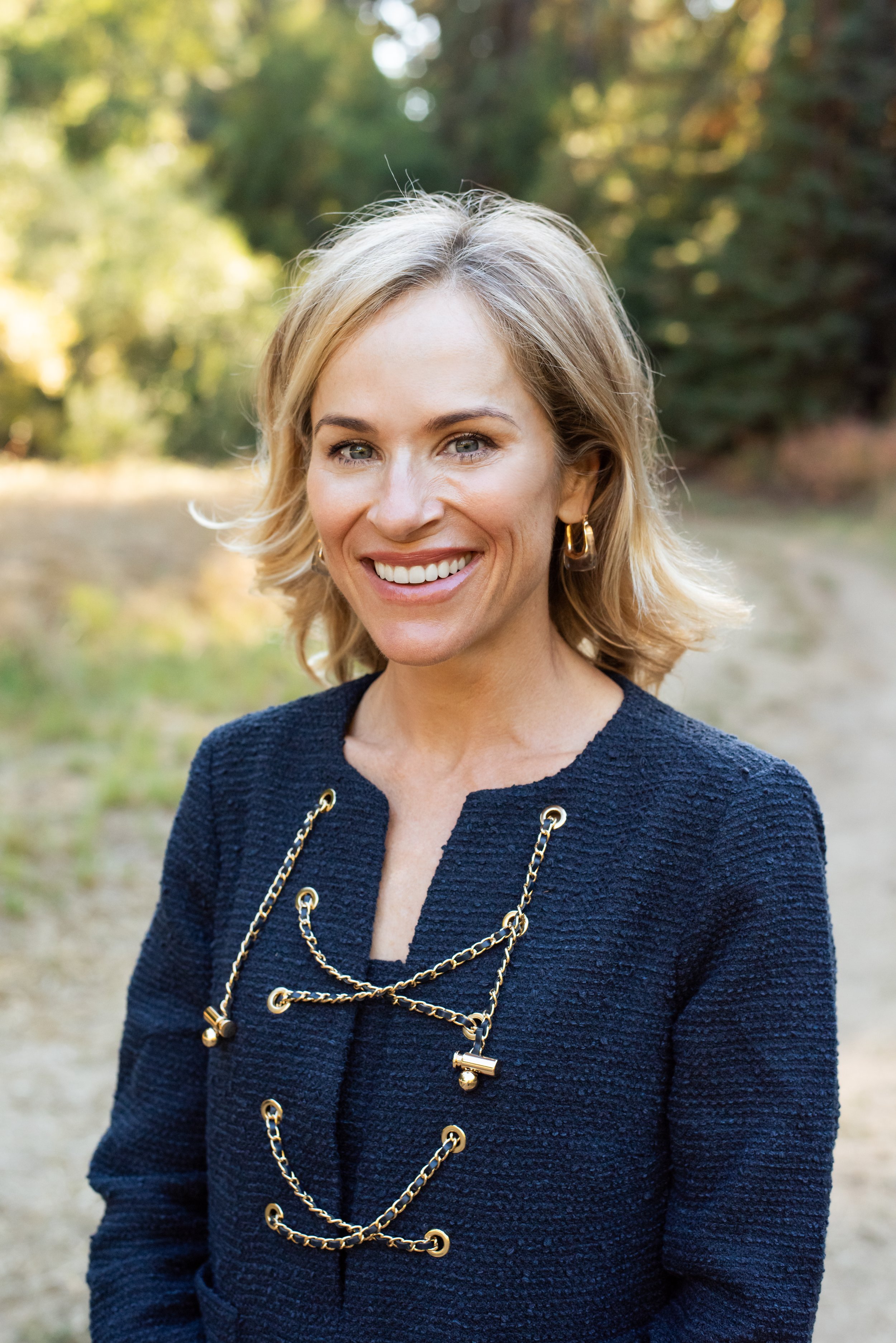
Welcome to the Purple Patch Podcast!
Welcome to the Purple Patch Podcast! On the episode IRONMAN Master Coach Matt Dixon, Purple Patch Co-Founder Kelli McMaster, and Rachel Schaefer discuss the impact of perimenopause and menopause on women's performance and health. Rachel emphasizes the importance of understanding the physiological changes, such as the decline in ovarian reserve and estrogen production, which affect mood, sleep, and body composition. Key strategies include high-protein, high-fiber diets, proper hydration, and strength training. Rachel also highlights the need for personalized care, advocating for women to seek providers who can offer tailored hormone replacement therapies. The conversation underscores the importance of self-care, recovery practices, and the role of men in supporting women through this transition.
If you have any questions about the Purple Patch program, feel free to reach out at info@purplepatchfitness.com.
Episode Timecodes:
0:00-1:10 Promo
1:30-end Meat & Potatoes
Purple Patch and Episode Resources
Learn more about Rachel Schaefer: www.Gingkointegrative.com
Fast Track Run Squad: purplepatchfitness.com/fasttrackmarathon
Check out our world-class coaching and training options:
Tri Squad: https://www.purplepatchfitness.com/squad
1:1 Coaching: https://www.purplepatchfitness.com/11-coached
Run Squad: https://www.purplepatchfitness/com/run-squad
Strength Squad: https://www.purplepatchfitness.com/strength-1
Live & On-Demand Bike Sessions: https://www.purplepatchfitness.com/bike
Get a free needs assessment and learn more about our programs: https://purplepatchfitness.simplybook.me/v2/#book/service/19
Live in San Francisco? Explore the Purple Patch Performance Center: https://center.purplepatchfitness.com
Everything you need to know about our methodology:
https://www.purplepatchfitness.com/our-methodology
Amplify your approach to nutrition with Purple Patch + Fuelin
https://www.fuelin.com/purplepatch
Get access to our free training resources, insight-packed newsletter and more at purplepatchfitness.com
Transcription
Matt Dixon 00:00
My bet is that you might be a little bit inspired to double down on your own journey of excellence, whether it's in sport, whether it's in leadership, in business, or you just want to find out more about yourself in this journey of life, and so we want to help at purple patch. Feel free to reach out to us. If you're an athlete, we're happy to set up a needs assessment to understand your goals, set you on the right strategic part, and perhaps even talk about a purple patch program that might be a suitable fit for you. And if you're in the corporate world and you're looking to drive better performance under business and find your teams and individual leaders unlocking a performance under pressure, we're happy to have a chat there. The same email address for both info, purplepatchfitness.com our calls are complementary. They're completely pressure free. We just want to help you do what we do at purple patch, help you get the most out of yourself. And so enjoy the show today. It's a very special one. I think you'll like it. Enjoy. I'm Matt Dixon, and welcome to the purple patch podcast. The mission of purple patch is to empower and educate every human being to reach their athletic potential. Through the lens of athletic potential, you reach your human potential. The purpose of this podcast is to help time-starved people everywhere integrate sport into life.
Matt Dixon 01:29
I'm incredibly excited about this conversation. Rachel, thanks so much for being here. Great to be here. And Kelli, yeah, thanks. Appearance number three,
Kelli McMaster 01:39
take someone like Rachel
Matt Dixon 01:41
to bring you that exactly. So we should do this every single week. Yeah, I'll see you in six months. But no, fantastic. So as I sort of highlight in the introduction a little bit, this is not just a conversation on perimenopause and menopause. In my mind, this is a performance conversation. How can we equip women to not just navigate the journey but Excel and up level the performance in whatever is important to them as they go through this patch of time, which, to my knowledge, no one escapes. And so we're going to dig in and have a conversation around perimenopause and menopause, hopefully making it really actionable simple to understand car through some of the nonsense and noise out there, to enable the listener to get to some really actionable tips. And so should we fasten our seat belts and get going?
Kelli McMaster 02:36
Yeah, I'm really excited for this conversation. If you're a middle aged woman and you you've been to the doctor and you've been shut down and you've been told it's all in your head, or just deal with it, or just take an antidepressant, this conversation is for you. Because of my own journey with perimenopause and menopause, it's become my mission to kind of help women feel good in their bodies, retain their energy and really come home. And Rachel, you've kind of been integral in my journey. And I just want to ground everyone. Rachel is a fellow mom with my son, and about four years at the bus stop, I was really rattled by a conversation I had had with my OBGYN and Rachel listened. She really listened with heart, and she offered, like, a different approach that was practical, grounded, and something I really believed in, and that was really the kind of the catalyst for wanting to have you on the show, just letting women know, like there is a different way, and you don't have to suffer or be shut down,
Rachel Schaefer 03:44
absolutely so important.
Kelli McMaster 03:49
So Rachel, when we stop treating menopause as a decline and really as a developmental transition, kind of like a second puberty, what changes?
Rachel Schaefer 03:58
I mean, I think that we really have an opportunity at this stage of life. Women are incredibly competent. They have come to a stage in their life where they bring so much skill, endurance, capacity. And I think what's really important to emphasize is that this really is a coming home to ourselves. It's true, there can be some dynamicism in how we're feeling that can seem a bit like an unveiling, where women feel like they're noticing aspects of their life where they don't have the same endurance. But I actually think that is the call home, and that it's an opportunity to focus interoception, self awareness, that coming inward and re exploring the ways that perhaps they are both over extended, or that their approach is not sustainable for this next extremely industrious chapter of our lives. So. I really do think it's a chance for us to take inventory and actually put ourselves back in a position where that self care is an objective.
Matt Dixon 05:10
And with that, I think it's important. There's a lot more information out there around perimenopause and menopause than there was even five years ago. Yes, 10 years ago. This is something it was never spoken about, basically, but, um, but I think it is important, for the sake of our conversation today, to ground ourselves and just have a little bit of a tutorial about what's happening physiologically there a little bit, and perhaps just go through early stage, and then the development side of stuff. We obviously don't want to do a science experiment here, or a science to sort of class. But what's going through, sleep, mood, nervous system, what's happening physiologically to the woman's body there? Yeah, I think
Rachel Schaefer 05:54
this is mechanistically, something that's really important for women to understand that narrative in their body. So perimenopause for most women, is about a decade long, and we see two distinct chapters in terms of the physiology changes. So the first half of perimenopause is related to the decline in our ovarian reserve. So our eggs lose fitness, and our eggs are at ovulation, they are the source of progesterone for the second half of our cycle. Progesterone is relevant to our mood states, to our sleep, and overall, to our sense of balance, because progesterone increases our production of GABA. GABA is our only inhibitory neurotransmitter, and so it allows our brain state to have a break to activation states for our nervous system not to be over activated. And when we have less of the progesterone, we have less gabanergic tone. So our rumination, our capacity, at the end of the day to turn off our exertional mind into our RESTful mind, our capacity for that deeper sleep and in general, the control of anxiety and so forth, is diminished when sleep goes offline. And we all know that so well, it informs a myriad areas physiologically so that can create metabolic shifts, mood shift, of course, recovery, HRV changes, and we look at that very closely in clinic, because for each woman, it's very personal what her unique recipe looks like and how she can be fortified
Matt Dixon 07:35
so and what sort of age typically is the first because It's variable, obviously. So what sort of age would one anticipate? Yes, start to
Rachel Schaefer 07:45
to show itself. You know, I would say that for most women so mean, age of menopause in the US and almost everywhere in the world is 51 and so we start to see this around 40. As you say, there is a standard deviation we certainly see on both sides. We can see some women in their mid 30s going this direction, but oftentimes this is something we really should look at from a chemistry standpoint, looking at women's blood work and so forth by 40 to understand rhythmically, how these changes may be affecting her, okay,
Matt Dixon 08:21
and then the second Yes. So let's go into that.
Rachel Schaefer 08:23
That's right. So progesterone, we established, has this gabanergic tone, so it supports our nervous system and so forth. When we get into the second phase of perimenopause, this has to do with the waning of estrogen production. So estrogen is very fundamental to many of our tissues and so forth, of course, also to our relaxation. And estrogen is actually a resilience compound in our system. And so many women will start to see at this point. They may have more of the textbook low estrogen signs starting to come up. So hot flashes, night sweats. But they will also talk about body composition changes. They will talk about mood changes, more of a flat lined mood state. They don't find awe and access to that same joy and ease. And some of those things are Hallmark, excuse me, hallmark symptoms related to that estrogen decline. So this is another time where we want to think again about, do we have a hormone replacement strategy that is also precise and specific to this woman? So some of how this is, you know, being approached conventionally would be to just use a protocoled strategy. But again, every woman is unique, and so there's quite a lot of insight that we can generate through testing, and also to Kelli s point listening closely, closely to her experience. And I think actually some of our work and the work as mothers and friends that we can offer our community of women at this stage is actually to mentor that do. Deeper listening to one another, because then women have that opportunity to listen more closely to themselves. So I think it's really fundamental. The other slight, and I think is important that I just will mention, is that our adrenal reserve, in terms of our stress resilience, we establish that these hormones are resilience hormones, and we understand because they're related to our production of neurotransmitters, but how we walk into perimenopause and menopause from a standpoint of our adrenal hormones, and that reserve is also very meaningful, and it is meaningful in terms of how symptomatic or regulated we move through these transitions. So this is something we can look at from a lab testing standpoint, and this is also something in terms of our performance practices that we can consider how we buffer that system. And I think that's why there's such a importance on putting value on our nutrition, or training or recovery during this stage, because it really informs our adrenal health, and
Matt Dixon 11:07
that just I want to jump in, because that's some of the stuff that we're going to talk through today around strategies of recovery, of nutrition. This is the, this is your toolkit and Arsenal in a way to do that, and it begins before perimenopause. Ideally, no similar. My analogy would be, if someone has surgery, the fitter you can go into surgery, the better that the anchor. It's the same premise here. Yeah. So this is a show that is for 25 year old women that are at the peak.
Rachel Schaefer 11:35
Yes, think about so
Kelli McMaster 11:36
it's great. Yeah, I think that's great. Unfortunately, I was just old enough where I kind of missed all the education, and I also had Baxter at 43 so I probably had him during an estrogen surge, and was just kind of whammy to recovery. One of the things I want to talk about Rachel is this podcast is very much for high achieving women, yes. And I want to talk about why sometimes this blindsides high achieving women, or they're hit the hardest,
Rachel Schaefer 12:02
yes, absolutely, this is a patient population we see almost to a great degree in our clinic, and I think some of it too. You know, we know women are extremely demanding of themselves. They, I mean their capacity and the multi faceted way in which they inform their communities as wives, mothers daughters, is profound. And I think one of the things that we know even about the way estrogen informs brain chemistry is that estrogen allows us a multi tasking capacity. And one of the things that many women will describe as they walk into this period is that they feel more overwhelmed by the degree of demands that they have across so many arenas, or accustomed to juggling all those balls. And women can start to feel like they don't have that capacity to do so many things at the same time, which is a function of the way estrogen signals our brain. And I also think that one of the pieces here is that we haven't, as a society, put emphasis on recovery. I think that this sort of we've moved a bit away from the sleep when you're dead mentality that our generation certainly was reared on. But I still think that women are constantly looking for how they can improve. I see it every day in clinic. Women are their expectations of themselves exceed what the capacity might be, and part of that is because we simply haven't scaffolded enough support for their myriad efforts. Part of it is also not emphasizing a recovery toolbox for every woman, which is what she very much deserves. And to your earlier point, Matt, I think one of the pieces is, how can we inform younger women to put these components into their everyday practices so that they are walking into the stage of life with more of that buffer as well.
Matt Dixon 14:01
And I think it's, it's important to highlight one of the things I said is everybody goes through this at the same time. You can develop agency like there is agency there, where it's not just this hopeless area, because you talked about, you know, the lower capacity to manage competing demands, and that's starting to occur at the same time high performers on the show. There is no option but to perform amongst high performing demands. We have a lot of leaders that are listening, that are women, well, I can't lower the demand, right? This is the expectation, and so there is agency, and that's what we want to unpack today. This also the these chapters that you go through the first decade and then, and then the second chapter, if you want to call it that, it's not a light switch. It's something that happens gradually. So I'm really I want to ask Kelli The question we say, What? What was the first stage where you thought, hang on? Hmm, this is, this is, I think I might know the story here that's gonna I asked this as a bit of a leading question. I must be honest, because I'm pretty sure I know what Kelli is going to say here. But what was the sort of first signals that you thought, hang on, I need to shift my let's call it a new performance approach.
Kelli McMaster 15:17
Well, my case was a little bit different, because I got hit with the majority of my symptoms during covid, yeah, and no one really wanted to talk to me about any of my symptoms. So if you remember, Matt, I was itchy, itchy from head to toe, and we're like, we didn't know what
Matt Dixon 15:32
was, yeah, like, and no one
Kelli McMaster 15:34
wanted to talk to me because it was covid. And then the night sweats came, and then, you know, the visceral fat came, and then really, kind of what sent me into my gynecologist office was my mood swings. And this story that I'm going to tell is really kind of for all the men or partners or whoever out there dealing with women going through menopause. I walked into the garage. We were just moving, there was a lot going on, and I responded to Matt in a really sharp tone. And Matt said, I don't appreciate your tone. And I said, really, well, I don't appreciate the hormonal rage outside of my body right now, so you are gonna have to toughen up. I was like, I need help. And that was what sent me to the gynecologist, and that's how I found Rachel. But there was just a whole cascade of symptoms that I didn't know how to handle, and I didn't know what they were, and it
Matt Dixon 16:28
just wasn't me. I think it's a great opportunity to use it as a case study. Kelli just highlighted huge. I mean, the itching was very real, by the way, and yes, and I had no idea that that was a symptom, so that was just really bizarre. Why are you itching? I was thinking, is it out rug? Is it the grass outside? But there's, there's that the night sweat, sleep disruption, clear, body composition changes, etc. Using that case study, what was actually happening there. Unpack that for us, such
Rachel Schaefer 16:59
a great question. And I one thing I'll emphasize too at the front end is this example of the way women over endure because there were not evident resources to build your toolbox with you. Women will push, push, push to these degrees of acuity. So I want to invite women to notice themselves in the subtleties and be supported. I think it's really important. So given the case study, there are many pieces of this that are extremely common, things like this, histamine response, the ramping up of itching, is really under emphasized. But actually it very much has a hormonal backdrop. So progesterone actually supports a set of enzymes being produced called the DAO enzymes. These are antihistamine inherently. And when we don't make progesterone anymore, and our estrogen is going up and down, sort of like that ketchup bottle that we're trying to squeeze the last bit out of, and finally it flushes, we will get these histamine surges, in some cases, which creates rashes and itching. So creating stability in her hormones on both sides is really meaningful. There going to a dermatologist and getting a steroid cream is not the root cause treatment. The other piece, I would say, is that many women that present to us in clinic are looking at these body composition changes, and we come out of a generation where it was emphasized, we'll simply up the ante, move more, eat less, and actually, one of the things that we know relevant to the body composition change is that as our reproductive hormones wane, our stress hormones will ramp up, providing us evolutionarily, that capacity to run from the proverbial Tiger. But the issue is, when we have this over activation of our stress hormones, our system is signaled to the storage of visceral fat, and that storage of visceral fat becomes a chicken or egg phenomenon, because visceral fat is itself an endocrine organ, so it will modify our insulin sensitivity, and we know that as estrogen declines, insulin sensitivity is already modified. This means our cells need a stronger signal from insulin for each intake of those stress hormones or carbohydrates, and when a woman is not sleeping as well. We also see appetite dysregulation, because her leptin and ghrelin and Sadie cues are modified. So she's also in a rush, this rushing woman phenomenon, in this very busy time, and coaching her about building in gentler transitions practices that inform her nervous system that that Tiger is not always after her. These things are really fundamental to fortifying her there, plus the evaluation of her unique physiology to understand which resilience tools, whether it's HRT or other tools in that category, may be relevant to stand. Stabilizing her system, coming back to a homeostasis.
Matt Dixon 20:04
It feels interestingly, just tangentially, I used to say a lot with athletes that over stress their body from training too much, either too much load or too much intensity in the load, and then quite, quite, quite commonly, unconsciously under fueling that and the body is under stress. Look, if you want to shift your body composition, you actually need to train less and eat more, and it's such a hard thing. So this is almost a radically amplified example that you see quite a lot, actually, in executives under high stress environments, athletes that high stress environments. But this is a this is a biological shift that's amplifying it. But it is it, the root cause of it is stress. And so even for sort of regular listeners, male and female as well, if we want to improve your body composition, you can kind of eat what you want, but if you don't care about sleep, that's a huge part of it. That's it. So this is the cocktail of stuff that goes on. I want to ask about some symptoms, because you talked about these, and we talked about itching and and I just want to shine a light and ask about some of these because of their they're some of the most common ones, yes, one that I have lived, not me. Okay, I want to point out is the 3am Yeah, and that's incredibly tired. I mean, I think, I don't want to say almost universally, and I'm obviously a man, but that incredibly tired falling asleep, you think you're asleep, great. And then to Kelli is reporting, I've never been more awake in my life. Get up into a presentation, do a presentation, but at the same time really tired, of course, and bizarrely, and there is not a chance of falling asleep. The only thing I can imagine is like they're when I fly to Europe and jet lag, right? So weak, but you're so tired that seems to keep Can you break down that this
Rachel Schaefer 22:00
is really important, because, as we've already established, sleep is so essential to our recovery. And absolutely, sleep disturbance, I would say, is one of the central reasons that women will seek out care and as they should so. One of the things that's happening there this idea of that waking up, but I'm ready to go, not really. Of course, it feels that way physiologically is because that wake up is driven by a cortisol surge. So we already established that when our reproductive hormones wane, the message, the signal of the stress hormones, is stronger. And one of the things that will happen is that, by virtue of not having that subsidy of these reproductive hormones, that signal will be in this persistently activated state. So women are appropriately so exhausted, they may have no trouble getting to sleep, but they have a nervous system underneath that is stimulated, and so it will only allow them to rest for so long before there's this surge that surge physiologically can be also driven by processes. One of the very common things outside of estrogen and progesterone deficiency that we will see is hypoglycemia. Oh yeah. Hypoglycemia is extremely common in women at this stage of life, and I would hedge I see it even more so in our high performing females, they are working so hard to put everything right. They might either forget to eat, or they may be trying to work on these body composition changes with an under eating strategy. In that scenario, our body's physiologic strategy for hypoglycemia would be our blood sugar will drop too low, our system will spike cortisol to send a message to our liver to make glucose for it, but that still feels to us in our body like, hey, it's morning time, and then she's awake and getting back to sleep requires an unwinding of that activation. Have we given her tools for that? And I think that's where we need to consider, yes, we can buffer with returning the hormones to her, but we also want to buffer with the glycemic stability throughout her day.
Matt Dixon 24:09
So let's, let's go down this whole way, and I'm going to aim to distill you down to simple and actionable. What are the tools that any woman could aim to implement on a day to day basis to help mitigate that. And then the second tool, or tools, is when that happens. Is there anything? What's the best practice if you wake up at two, 3am
Kelli McMaster 24:30
is it Instagram?
Matt Dixon 24:35
What I really like is Instagram on high volume, then the husband gets last night, no less so,
Rachel Schaefer 24:46
yes, yeah, I do think there are some very, that's right, some very foundational pillars there. Actually think our circadian rhythm and glycemic stability really begins with a high. High protein, high fiber. Breakfast missing that and I think this conversation around intermittent fasting that has been so loud in the last set of years has really done midlife women a great disservice. We know sleep is a catabolic event. We wake up in the morning our body is primed to receive those amino acids and to stabilize from a glycemic standpoint, we missed that mark with just caffeine, up another adrenal spike, least of the triggers that we really will benefit from if we give a woman a high protein, high fiber breakfast, we put continuous glucose monitors on many of our patients, I will watch hundreds of data sets. In this regard, we see that there's far less variability. She has that stability going into her day. So this should be repeated, high fiber, high protein throughout her day. If a woman is doing more glycolytic exercise, so she's doing a lot of the cardio work. That woman really has a set of needs that is driven by carbohydrates that need to be met. So this is another risk factor. We have, this intermittent fasting conversation and this low carb conversation that really is not in service to where midlife women need to be stabilized from. So this is one piece high protein
Matt Dixon 26:24
breakfast inclusive. And with that, because I want to anchor on on this a little bit high protein, high fiber. And then, if you're an athlete, stripping it down to really simple layering on top of that, every day the carbohydrates to support the fueling. So you don't just go carb only, you know, like it's sitting on top of protein and fiber, yes. So, you know, that's the first thing on the plate. And then you're throttling based on if you're doing, if you go out for, let's just make it up a 60 minute run your body needs the carbohydrates around that meal. So that's, yeah, so that's number one. So that's a great tool. And what I heard there is a non negotiable, which whether you're and I think I want to reinforce one other thing as well, whether you're exercising that morning or not, because it's so easy with just, like, I don't like breakfast, etc. Yes, I'm a coach. I don't care if you like breakfast. This is really important. Yeah, yeah, that's a it's a real non negotiable.
Rachel Schaefer 27:23
Yeah, it really is. Actually, I'm having this conversation every day in clinic. Many women have historically skipped breakfast. They don't have an appetite at that time, so brainstorming with them, given their food taste, their nutritional interest, what might be a good breakfast fit that meets those needs is something we're doing every day, and it's really useful.
Matt Dixon 27:44
How many? How many grams protein is?
Rachel Schaefer 27:47
At least 30. At least
Matt Dixon 27:49
30 is a baseline. It really is.
Rachel Schaefer 27:50
Yeah. Most of us, midlife women at minimum, are looking towards 100 grams of protein daily. Yeah. So in this most anabolic window that we arrive to in the morning really starting to stoke that fire. First thing is central. So it has to be at least 30 Yeah.
Kelli McMaster 28:06
And once you get in the habit of it, you kind of start craving it, and then you're like, oh, wait, I'm hungry again. Wait, I'm hungry again. But the morning is a really busy time for a lot of friends, there's kids, there's responsibilities, there's getting out the door for whatever you need to do. So it is hard. Yeah, it's a habit change.
Matt Dixon 28:24
It is. It's funny. We're talking about sleep at night and and I thought you were going to start in the evening. You started in the morning. Let's, I want to carry on going down this rabbit hole, because it's, I think it's really, really important. And we're, we're unpacking actionable stuff as we're talking about this. So let's carry on. We're going to anchor around the the this. So what else is in the toolkit here?
Rachel Schaefer 28:47
Yeah, it's so true. Actually, our great night's sleep really does begin in the morning. Also sunlight cueing. We've heard a lot about setting our circadian rhythm up that way, so that's essential. The other piece, I would say, that is actually quite relevant to that overnight wake up is low sodium. So actually, and this can, again, really be impactful for your high impact athlete, because one of the things we know is that when we have this adrenal decline in terms of those reserves, one of the sets of hormones that are involved in the adrenal gland is a hormone called aldosterone. It's involved in our fluid balance and our sodium balance. And so if women are also sweating quite a bit with their exercise, those women will often notice wake ups overnight. So I'm asking her to have high quality salt. I'm asking her to have broth soups with her dinner, things that help to rebuild that. And if she has had a sweaty exercise session during that day, we want to replace those electrolytes and salts for her in course of her replacement after her workout as well. So it's another very relevant piece. The other I think, does come down to this supporting. The nervous system by training the nervous system in these quiet intervals. So we are all very accustomed to these high intensity intervals, whether it be in our athletic performance or in our career performance. But what is a place where women deserve more training and support is in developing sets of intervals that are giving them back parasympathetic tone. I know this is one of the features that you've been uniquely at purple patch, emphasizing with your athletes. And I just think it cannot be understated, and it's personal too. I mean, again, in clinic, every day, I'm talking through with patients a set of tools and trying to refine for their lifestyle and their needs, where that recovery practice might fit for them and what,
Matt Dixon 30:46
what might fit in that bucket. Because where I automatically go to is meditation, right short, which are not the same thing, but what I do a lot of like my my seven to 30 minute naps in the middle of the day, that isn't going to disrupt my sleep. It's going to actually improve it maybe even just going for a walk after lunch, outside and getting into tonight. Is this the sort of stuff you're talking about?
Rachel Schaefer 31:07
Those are all excellent tools. Sometimes, as you two both understand, women will be extremely busy, so sometimes it is simply breath practices. So I may give her because a breath practice, we know our breath is one of the unique ways that exclusively communicates with our autonomic nervous system. So in two minutes of box breathing or alternate nasal breathing, there are excellent apps this way. Oxygen advantage is a profoundly great app. The patients can take a personalized score each morning, and it will develop a set of two or three minute breath practices that they can follow along with on the app. So thinking a little bit, how much time does she have? What's compelling to her? I'm often I'm a huge fan of meditation, but even yesterday, I had a conversation with a patient of it's okay, you don't need your meditation pillow. Feel free. You don't need the candle lit. You don't need to be in the Zendo. Please feel free to lay down. Take those so women, I can tell you, because we have more of the sympathetic tone. It's fairly rare for my patients to tell me they're able to nap at this stage of life, but I will encourage them to take a simulated nap, like a yoga nidra or a body scan, and we play with these different tools. And also, as an acupuncturist myself, this is something I delight in, because I can also be the implementor of that parasympathetic interval for Yeah.
Kelli McMaster 32:33
I mean, as many people listening probably know, I have a meditation practice, and one of the things they love about my meditation practice is I can do it anywhere. So you might find me at the school parking lot to be there with my eyes closed, but I try and sneak it in in loud places. And I think that's what Rachel's saying here for everyone, is just do what you can, where you can, and start where you are, and just see how it builds.
Rachel Schaefer 32:58
Yeah, absolutely. And the data is really clear to that point. We do not need long intervals of these practices. It's the cumulative effect.
Matt Dixon 33:07
Yeah, that's cool, all right, and anything
Rachel Schaefer 33:11
else see. I mean, I think that that we spoke to glycemic stability, but I just don't want to de emphasize it, because I do think this population, and again, it may be generational, but has to some degree been aligned with this under fueling principle. And so I think that really emphasizing for women how we can fortify and shore up their nutrition, taking this fear of eating and intake out of the picture, and understanding that what we're aiming to signal to the body is safety, and part of that is nourishment. On all these levels, the
Matt Dixon 33:45
Can I ask a question around one of the things we often encourage is trying to help the body go to sleep. And I'm not sure if this is related directly to this or not, but try need a little bit earlier, and then try to stabilize glucose, walking after meals and stuff like that. Is that is that going to be helpful as it relates to this?
Rachel Schaefer 34:03
Absolutely, there is no question that falling asleep. We know that at 11pm is when delta sleep trends to begin, and if we miss that, we're going to sleep later than that. We actually won't make up for that degree of recovery. Wow. And so it's actually profound. Someone could sleep in till 10am not that I know many working moms that can do that, yeah. But that said, they still will not get as much glymphatic repair, which is our brain recovery. And so to your point, a wind down practice in the evening can be very meaningful. And sometimes I'll ask women, you don't have time for a whole bath. I know they have kid bed time and wrapping up their deliverables for work, but even a short foot soak with Epsom salt, Epson is, as you know, in nervine, it's magnesium. So thinking about, how do we support that wind down for her overnight?
Matt Dixon 34:58
And I. I want to ask. I originally said, I'm going to go through a couple of symptoms, so I'm going to transition to another symptom. And, but I want to ground this a little bit, because I'm going to ask about first, yeah, and, and in our leadership program, one of the things we talk about from a performance enhancement standpoint is daily hydration, yes. And we explain, say, look for the for cognitive function, for daily energy, stability of energy, and actually to manage hunger signals to make sure you're not getting cravings for sugars and food, the human benefits from having two to three liters of fluid every single day. But one of the things we do is we research, and this is male and female, but we we always ask ahead of time of our workshops that we do, how much, what, what their daily hydration practices. So this is typically, you know, VP or love, leadership teams, extended leadership teams, and across all of our body of surveys self reported that we've had so far, the average is under a leader a day. Okay, that's very stressful on the system. So I'd like to with that context, ask another symptom that we hear a lot about, which is this just never ending thirst. Can you unpack that a little bit and also the impact of that, and maybe dig into hydration as it relates to perimenopause,
Rachel Schaefer 36:17
menopause, this is such a relevant category, I think. And to your point, I feel like that evidence of how much people are actually drinking is so illustrative, again, of this rushing woman syndrome. People are so busy putting this even into the mix. So these are some of the ways that we game for this and we support women around this. I ask our patients to start each day with a leader and an electrolyte packet at their bedside before your feet even hit the floor. Part of this is because, actually, sleep is a desiccating event, and so if we can front load some of those resources back to her, straight away, she is coming more fortified into her day in terms of her hydration. So this is one time we can set that up. Often people are caffeinating in the morning too. And so caffeine is a fluid, but it's also astringent, so it strips us of some of those minerals. I'm a fan, but we want to balance it, yeah. So this is one piece. The second piece is, one of the features of estrogen declining is that women will begin to urinate with more frequency. They won't have as good retention of their minerals, and they will be losing fluid as well. And so returning to her first starting even with vaginal estrogen, so that the tissue of that area is more supported and more pliable. There can be less of this activation or spasmodic reaction on the part of the bladder, but the other piece is acknowledging when that reduction is setting her up to have more of that desiccation. I agree with you, though, first thing in the morning, we know the kidney is more receptive to these larger bully of fluid as we go throughout the day. We we are not camels. And so thinking a little bit about, how do we rhythm in an interval, I will ask patients, can you set a note at each hour mark on your phone? How do we set her up with a glass water bottle of a large size? So it's easy and at hand, thinking about always keeping one in your car and also in your office. So there's ease in the principles. And we will talk some with women about a Sunday setup, which would involve, let's make have a frittata, put together, set up your waters, hard, boil some eggs. Let's roast a tray of roasted vegetables. How do we set her up going into the busy week so she doesn't have as many decisions to make all day long when she's already making all of these high level decisions?
Kelli McMaster 38:51
I love that purple patch and in wind cycle, where there's this tool we teach for executive functioning, and it's called the Sunday special, and it's about layering, thinking about your week in terms of, you know, what work priorities Do you have? What family priorities Do you have? When are you going to exercise? And this is like, another nice added component for women in particular, is figuring out what food you can have at the ready so you can make healthy choices to kind of set your nervous system up for success. Yeah, good. Rachel, one of the things I want to talk about is strength training. And I know there's a lot of conversation about this, but there's still so many women who think yoga or pilates is enough for them. Yes, and I'd love to hear your perspective on what is strength training, what it's not, and why it's so important for
Rachel Schaefer 39:38
us right now, such a good question. And again, I'm so delighted that this conversation is more live. But I do think that when you're at the Pilates studio with the three pound weights, it women may imagine that this is adequacy, and it isn't. It's I am a huge fan of Pilates. It's mobility exercises. I see it. We all need that as one. Intro. And you all are the experts on the training side, but there are few things that resistance training really offers us that are mandatory at this stage of life. Women are so much more at risk for osteopenia and osteoporosis as we age. We are in this sort of final burst time where we have more of the anabolic input before women go through menopause. It's not that we can't build lean muscle at any stage we can, but we have the cofactors at this stage to make us more anabolic, so we want to apply them. Our building of muscle, of course, supports our building of bone and antifragility is so central for women's capacity to move unassisted through the next four decades of their lives. We want that sarcopenia is a true risk for women. And so what I would say is that, as you well know, resistance training that is meaningful for us is resistance training that contains progressive overload. We need to continue to work on our working edge. And I think most people truly benefit from a trainer model where they're getting some of that input personally to understand what their edge actually is. Yeah, our perceived rate of exertion is an excellent model, but getting a little feedback, especially when so many women haven't had resistance training as one of the key pillars of their exercise regime. The other reason too, that building muscle outside of bone and not being fragile or our own breakdown, which I think are adequate reasons alone, is so important, is muscle is a glycemic sink, and so we know as women lose estrogen, they will become less sensitive to insulin. When we have more musculature, we don't require insulin in our muscle tissue to bring and use our muscles as a sink for glucose. It keeps us more sensitive. So it's a piece of metabolic insurance for women in these composition changes, where we can secure that we have that glycemic capacity, even with these hormones changing.
Kelli McMaster 42:04
Yeah, muscle is what I heard, is kind of the fun tool. It's gonna allow you to keep traveling when you're older, playing with your grandkids, doing whatever you want as an adventurer like later in life.
Matt Dixon 42:18
Yeah, and it's and layer on top of all of that. It's a tool of stress processing as well, which is which is massively valuable. It has an impact, as you talk about with insulin to body composition and keeps us functionally healthy. It also has an impact on cognitive
Rachel Schaefer 42:35
function as well. Oh, myokines. We're learning more and more about them all of the time. It really does. There's a direct reflection in our lower body degree of musculature and cognitive scores, especially as we age, and also to this point, I would just say that one of the ways in which muscle also fortifies us is that it is lower intensity exercise, and because women at this stage of life are prone to these overwork syndromes and burnout, our capacity to resistance train is a model that we can do persistently without pushing as much at these systems in zone five and so forth that are actually often in an over training model until we've made these corrections for our recovery practices,
Matt Dixon 43:25
a good perspective, perhaps a mindset that that will help, particularly with women listening that like to train for marathons, Iron Man racing, etc. You don't have to put that aside. But when you're 25 and you're training for these you swim, bike and run, and you might do some Pilates or yoga or strength work, I think it's important, and this is the case, and I'm just speaking as a coach here, when you're when I'm coaching a mature person, a male, okay? Or really, any female that's above it. The important part of it is strength training is the bullseye, actually. So even if you're getting somebody ready as a coach for a marathon, where you think, okay, I need, I need the fitness. I know I'm never fit enough, you actually say, No, strength is your bullseye. That is the non negotiable. And then you wrap the endurance work around it, and that shift of perspective, that's actually, I think, one of the big reasons that we've been so successful with a long term development of athletes, because you you you start to shift the approach as they go through the years and and also got such A reputation with mature athletes as well. It's like it's such a shift that program looks so different from an emotional, uh, entry point to it, and actually what it looks like on a piece of paper, ultimately, or on a screen. It's like strength is the bull's eye. That's the non negotiable. That's a really tough mindset shift for someone that I don't. Pfizer's an endurance athlete.
Rachel Schaefer 45:02
It makes so so much sense. And I think as you're describing you're describing sustainability, we all want that as mature athletes. And I think that the piece of helping to move into we know injury patients are injury prone, and this capacity, through building muscle, creates armor for us to be more resilient in those changing conditions. So I just couldn't agree more, and I'm so delighted. I think you at purple patch have been really at the forefront of understanding that athletes can be more long term in these sorts of pursuits.
Kelli McMaster 45:39
Yeah, Rachel, one of the things I want to get into is kind of advocacy and helping women feel heard when they are at the doctor's office. Unfortunately, many doctors aren't trained in hormone health quite yet. Yeah. And so what are the some of the things women should do, or how can they ask their doctor or advocate for themselves to kind of get the help they need.
Rachel Schaefer 46:01
Yeah, this is so important, and I think that it's also important to say that allopathic providers are not at fault here. Yeah, they really came of age in a time when the Women's Health Initiative in 2002 really suggested that hormone replacement was not safe for women, and so as a result, they didn't receive the training in the nuances and personalization of the use of hormonal strategies. And so women arrive, and now, gratefully, there's been much more conversation about this. This study has been debunked in terms of we are using now a much safer and more appropriate form of hormone, by way of bioidentical hormones. They're copiously available in our conventional pharmacies, but still, no one has come to train these providers in the application in a personalized way. And so first granting the grace that that is the case, but still the fact that women deserve personalized care, and so I encourage women to survey their provider for their capacity to take a deeper look at each woman's unique physiology. Are you interested a it appears to me, I'm having some symptoms that may be related to this perimenopausal transition. Are you interested and able to look at my physiology from a blood marker standpoint, to understand best what would be appropriate to me. I think this is a very good tap the tires question, yeah, and understanding from the provider of, oh, no, I have birth control or this, nope. I don't need to see anything that would tell me, okay, this provider is well meaning, but they won't be able to personalize the care to my needs. And so I would look for someone that is compelled to do that deeper, personalized listing as it comes to our biomarkers.
Matt Dixon 47:48
And sorry, sorry. The that means that it might take a few people you're just going to the first thing that's the important thing is that that sort of advocacy word of or being the CEO of your your own health, there is, ultimately, no one's gonna fix this for you, like you need to. It's similar to being an athlete. In some ways, you need to go and find the people that can help you get where you want to go. It might take multiple adventures to get there. Basically, it
Kelli McMaster 48:19
may, yeah, and I have, like, a follow up question to that some places, obviously, I'm from Montana, and there's not a plethora of doctors there. What do you think about telemedicine? Or are there any you would refer people to?
Rachel Schaefer 48:31
Yeah, absolutely. So I do think that access is really important here, and there are, gratefully, many telehealth platforms who are generating insurance covered access to HRT care, and so I do refer to them, especially in the cases where someone might not have access to our more personalized approach. The one thing I would say, though is, as with anything, even to your point, someone meeting with a provider where it's not a fit, if women are not feeling well, with a trial. I want them to not overstay the course. I want women to not over endure. So it's excellent if she can get a protocol strategy of HRT from a telehealth company, but if she starts there and it doesn't feel the right fit, if she needs more personalization, she should seek it. And I just want to make sure, because so many of us have heard in our age group, HRT, it's the thing, it protects our bone, brain, so forth. And yes, but I also don't want women to feel overly obligated then to apply a strategy that may, with some tweaking, be a better suited strategy to them.
Matt Dixon 49:36
What's the timeline of that? So when you're like, it's not two weeks like this isn't working. Is there a broad timeline recommended?
Rachel Schaefer 49:44
That's right. Typically, we would look again at six weeks. We stay in closer touch with our patients, but we will look at labs again in six weeks after enrollment has originated. HRT care, and we'll continue to look quarterly as we move through and be in com. Conversation about her own subjective experience in her body, because really, that is a major driver too, as it should be. So I think that that piece about sort of here you go off to the races. Oh, that didn't land for you. It's actually, it's not personalized care. And I think it just goes back to this backdrop of providers having not been trained in personalization. So it's not their error, but it's she deserves better. Both are,
Matt Dixon 50:24
yeah, I've got one more, one more general question, and then then one question to sort of wrap up, as it were, and, but I don't think we can have this conversation without me asking this question, and, and, and it's going to be very, very short, I'm just going to state it. GLP, drugs. Ah, that's what I'm going to say. Off to the races. Yeah, great question.
Rachel Schaefer 50:49
Yeah. I think that, you know without doubt, these medications offer a broad set of potential benefits, and they are here to stay. There's no question. I also think that they are easy to abuse. And what I mean by that is that one we need to think again in this personalized way about how women in this re composition phase may benefit from tools that focus visceral fat changes, of which the glps can be meaningful, but to consider applying them in diabetically studied doses is not appropriate to your average female. And so I think that the pro is that this can provide a tool that also has anti inflammatory effects and glycemic stabilizing. But again, this should be watched very closely by way of metrics, women should have DEXA scans to understand what their composition looks like at the onset of care and ongoing, to look at how those shifts are occurring. Of course, the risk, because there can be some appetite suppression from these medications at certain doses, is that we consider not putting a woman on a dose that's going to be suppressive to her appetite, and we also need to consider how actually, then our vigilance in providing her a full spectrum diet of amino acids by way of proteins, to keep and retain her lean mass is central. And so this is one where, if it's a telehealth program or otherwise, and there isn't metric tracking, I would discourage women from proceeding, because we actually may be long term, creating a metabolic setup where she is worse than she began. So I want to walk her in a strategy that would include glps to a reduced visceral fat model and a retention of her lean mass. And so we have to be extremely thoughtful. I think that there are micro dose strategies that get women there, but I also think women should expect for it to be slow. And also, while we do it, that we create other stabilizing principles, it's just one piece in the toolbox. Yeah. Tool, yeah.
Kelli McMaster 52:57
It sounds like it's a habit. Amplification. Tool, yes. So if you're getting your 100 grams of protein, you're getting decent sleep, you're lifting weights, you're moving your body to get your heart up. This just might be the thing that makes it all a little bit easier, that's right.
Rachel Schaefer 53:11
And we should establish her candidacy with markers up front. Understand what we're focusing on, and then use those to survey how we go. Not every woman is a candidate, even if she feels she's 10 pounds above where she wants to be. It depends on her ratio of markers. There may be many other tools we would apply depending on what her needs are.
Matt Dixon 53:31
Your expertise is highly personalized care? Yeah, I'm going to ask you a question that's going to be requested with a very short answer that is a blanket statement, okay? Three immediate steps every if, if, if a listener walks away. What are three practices that they should put into place? I'm going to say the first one, if that's all right, breakfast every day, because what I heard there that was I really pulled out, but give me three
Rachel Schaefer 54:03
exactly agree, I think that's key pillar. Next. Key pillar is high electrolyte hydration, stabilizing her adrenals. And the third pillar is developing a set of recovery practices and a toolbox that allows women to turn into their interoceptive gaze.
Matt Dixon 54:21
Fantastic. So, so my final question of the day, as we wrap this up is for both of you, which is, what advice would you give to a woman listening today that wants to sustain or more inspirationally elevate performance navigating this journey? What would be your your shared advice, maybe, maybe we'll start with Kelli first go to Rachel.
Kelli McMaster 54:45
I guess my hope, or my advice is, my hope is that everyone can feel good in their bodies again, and that they feel heard, and that they get the answers they deserve, and that they continue to seek them out.
Rachel Schaefer 54:58
Yeah, love that. I piggyback on that. I think this concept of practicing positive self regard through our interoception practices, through not sitting, actually demanding the degree of care we deserve, is central to thriving at this stage. And I also think that welcoming the unveiling to our most authentic self at this stage. It's an invitation into a time where our wisest self is awoken. And I want women to feel that possibility, because it's really what I observe every day.
Matt Dixon 55:36
I think I learned nine new words, physiologist, I have no idea what you just said, how I'm joking. Fantastic. I don't think this is our last conversation. We talked about before a little bit, but I think there's a really important topic for us to uncover in in hopefully another episode, if you would, if you would be willing to come back to patch Performance Center here, but we'd love to do a show on on a toolkit for people like me, the men, the partners and and I think that's a subject and a topic that hasn't been discovered. I hope that a bunch of men really listen to this, that are partners that do care, because understanding the way that you've so simply outlined it is in parenting itself, but, but I think we can shine the light on the men and our role in this, and I think it'd be great, but, but I want to thank both of you. Yeah, thank you, and it was great. So appreciate it. Where can people find you?
Rachel Schaefer 56:40
Rachel, yeah, we have a clinic in Marin County. It's called ginkgo integrative medicine. We have a team myself, my nurse practitioner, health coach and so forth. And really, what we delight in every day gets us out of bed is to personalize care that puts women back in the driver's seat of their well being. And Do you do any telemedicine? We do our license. Are here in California. So we are, we are here in California for the care that we provide. But we do, we do telehealth as well as in person, because I'm an acupuncturist as well. I like seeing patients in person, I admit, because I love to be able to provide that care in addition.
Matt Dixon 57:18
Fantastic. Well, we'll put the link in the show notes, and as everyone will look forward to next time in a few weeks, thank you take care, guys. Thanks so much for joining and thank you for listening. I hope that you enjoyed the new format. You can never miss an episode by simply subscribing. Head to the purple patch channel of YouTube, and you will find it there, and you could subscribe. Of course, I'd like to ask you if you will subscribe. Also Share It With Your Friends, and it's really helpful if you leave a nice, positive review in the comments. Now, any questions that you have let me know, feel free to add a comment, and I will try my best to respond and support you on your performance journey. And in fact, as we commence this video podcast experience, if you have any feedback at all, as mentioned earlier in the show, we would love your help in helping us to improve. Simply email us at info@purplepatchfitness.com or leave it in the comments of the show at the purple patch page, and we will get you dialed in. We'd love constructive feedback. We are in a growth mindset, as we like to call it, and so feel free to share with your friends. But as I said, Let's build this together. Let's make it something special. It's really fun. We're really trying hard to make it a special experience, and we want to welcome you into the purple patch community with that. I hope you have a great week. Stay healthy, have fun, keep smiling, doing whatever you do, take care.
SUMMARY KEYWORDS
Perimenopause, menopause, performance, self-care, hormone replacement, sleep disturbance, body composition, stress management, nutrition, hydration, strength training, interoception, recovery practices, personalized care, telemedicine.